• 2026.11.11 (Wed)
  • All articles
  • LOGIN
  • JOIN
Global Economic Times
[등록] 2026-09-01 15:48:31
  • Synthesis
  • World
  • Business
  • Industry
  • ICT
  • Distribution Economy
  • Well+Being
    • Pet Life
    • Halal Horizon
  • Travel
  • Eco-News
  • Education
  • Korean Wave News
  • Opinion
  • Arts&Culture
  • Sports
  • People & Life
    • International Student Report
    • With Ambassador
  • Column
    • Cho Kijo Column
    • Cherry Garden Story
    • Ko Yong-chul Column
    • Kim Bong-seon's Photo Column
    • Kim Seul-Ong Column
    • Lee Yeon-sil Column
  • Photo News
  • New Book Guide
MENU
 
Home > World

Lifting of Metro Manila IT Park Moratorium to Bolster Philippines’ Global BPM Edge

Graciela Maria Reporter / Updated : 2026-08-02 12:45:43
  • -
  • +
  • Print


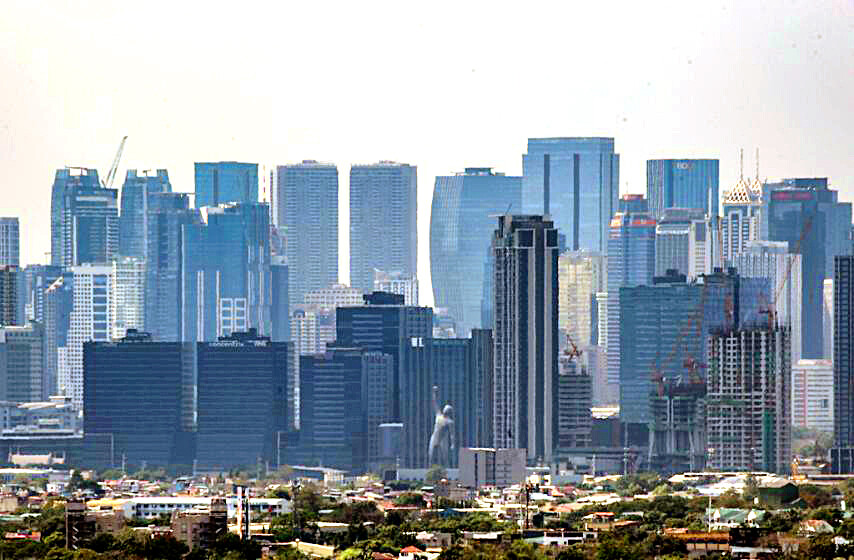
MANILA — The Philippines’ standing as a premier destination for information technology and business process management (IT-BPM) has received a strategic boost following the official lifting of a seven-year moratorium on the establishment of IT parks in Metro Manila.

The major policy shift was formalized through Administrative Order (AO) No. 45, signed by President Ferdinand R. Marcos Jr. on July 23, 2026. Trade and finance officials hailed the decision as a critical breakthrough that restores the capital region’s competitiveness in attracting high-value, technology-enabled investments.

Tereso Panga, Director General of the Philippine Economic Zone Authority (PEZA), emphasized that resolving the long-standing issue opens new avenues for expansion. According to PEZA, the decision positions the Philippines to capture growing outsourcing demand from key markets like Australia and Japan across digital operations, engineering, and knowledge-based services.

Under AO 45, property developers in Metro Manila can now register and market qualified office spaces as PEZA-registered IT Parks and IT Centers. While real estate developers will not receive fiscal incentives for new developments in the capital, the registered IT-BPM enterprises locating within these hubs remain eligible for government tax incentives under current investment laws.

Finance Secretary Frederick D. Go supported the measure, describing it as a strategic driver to attract innovation-led businesses to areas with established talent pools and infrastructure. He added that directing fiscal incentives toward IT-BPM locators—rather than property developers—preserves the country's tax framework while continuing to stimulate quality job creation and export revenue.

With this landmark policy, the government expects property developers to rapidly reposition Manila's premium commercial spaces, strengthening the nation's position in the global IT and shared-services ecosystem.

[Copyright (c) Global Economic Times. All Rights Reserved.]

  • #\ormuz Impasse
  • #globaleconomictimes
  • #micorea
  • #mykorea
  • #nammidonganews
  • #singaporenewsk
  • #Samsung
  • #Daewoo
  • #Hyos
Graciela Maria Reporter

Popular articles

  • K-Beauty’s New Frontier: Halal Certification Fuels Explosive Growth in Muslim Markets

  • "For $6.70 a Month, AI Diagnoses Acne and Prescribes Medication"—AI "Medical Care" That Bypasses Hospitals Emerges

  • U.S. President Pledges to Keep Aggressive Tariff Stance Following Midterm Setback

I like it
Share
  • Facebook
  • X
  • Kakaotalk
  • LINE
  • BAND
  • NAVER
  • https://www.globaleconomictimes.kr/article/1065584702937909 Copy URL copied.
Comments >

Comments 0

Weekly Hot Issue

  • Inha University Caught in Campus Culture Clash Over Proposed Rhee Syng-man Statue Revival
  • Honoring a Legacy: Poet Oh Dong-chun Recognized for Lifelong Dedication to Hangul and Sijo Poetry
  • Bongeunsa Temple to Host 2026 Patriotic Buddhism Cultural Festa
  • South Korea Confronts a Growing Health Crisis as Adult Obesity Rates Surge
  • Pain of Chosei Coal Mine Meets Japanese Readers: Moon Young-sook Publishes Japanese Edition of 'Black Sea'
  • Beyond the Trillion-Dollar Mark: China’s Trade Surplus and the Debate Over Global Economic Dominance

Most Viewed

1
US Army Conducts Rare Temporary Burial Drills to Prepare for Worst-Case Large-Scale War Scenarios
2
World Citizens are Flying Directly to Busan... The Era of 4 Million Foreigners is Just Around the Corner
3
Eating 100g of Baechu Kimchi Daily Linked to Lower High-Cholesterol Risks
4
Meeting Christmas Early!… Busan Dessert Sales Event "Daldal The Market" Held
5
November Shopping Festival Sparks Retail War in South Korea: Where to Find the Best Deals
체리가든 스토리
nutri huevos
로타리
동포저널

Hot Issue

Jensen Huang Faces Shareholder Class Action and Leadership Scrutiny Amid Espionage Allegations Involving Former Associate

Disgraced South Korean Scientist Hwang Woo-suk Becomes UAE Citizen

Is South Korea Heading Toward France's Path? Aging Population and Fiscal Pressures Looming Ahead

Fashion Runway Show 2026

Let’s recycle the old blankets in Jeju Island’s closet instead of incinerating them.

Global Economic Times
korocamia@naver.com
CEO : LEE YEON-SIL
Publisher : KO YONG-CHUL
Registration number : Seoul, A55681
Registration Date : 2024-10-24
Youth Protection Manager: KO YONG-CHUL
Singapore Headquarters
5A Woodlands Road #11-34 The Tennery. S'677728
Korean Branch
Phone : +82(0)10 4724 5264
#304, 6 Nonhyeon-ro 111-gil, Gangnam-gu, Seoul
Copyright © Global Economic Times All Rights Reserved
  • News K
  • 반달곰 프로젝트
  • 광고문의
Search
Category
  • All articles
  • Synthesis
  • World
  • Business
  • Industry
  • ICT
  • Distribution Economy
  • Well+Being 
    • 전체
    • Pet Life
    • Halal Horizon
  • Travel
  • Eco-News
  • Education
  • Korean Wave News
  • Opinion
  • Arts&Culture
  • Sports
  • People & Life 
    • 전체
    • International Student Report
    • With Ambassador
  • Column 
    • 전체
    • Cho Kijo Column
    • Cherry Garden Story
    • Ko Yong-chul Column
    • Kim Bong-seon's Photo Column
    • Kim Seul-Ong Column
    • Lee Yeon-sil Column
  • Photo News
  • New Book Guide
  • Overseas Koreans
  • Multicultural News