• 2026.02.11 (Wed)
  • All articles
  • LOGIN
  • JOIN
Global Economic Times
APEC2025KOREA가이드북
  • Synthesis
  • World
  • Business
  • Industry
  • ICT
  • Distribution Economy
  • Well+Being
  • Travel
  • Eco-News
  • Education
  • Korean Wave News
  • Opinion
  • Arts&Culture
  • Sports
  • People & Life
  • Column
    • Cho Kijo Column
    • Lee Yeon-sil Column
    • Ko Yong-chul Column
    • Cherry Garden Story
  • Photo News
  • New Book Guide
MENU
 
Home > Well+Being

Alzheimer’s: Starting in the Eyes, Not the Brain? The Unexpected Link to Common Bacteria

Eugenio Rodolfo Sanabria Reporter / Updated : 2026-02-11 13:18:35
  • -
  • +
  • Print


(C) SCI Tech Daily


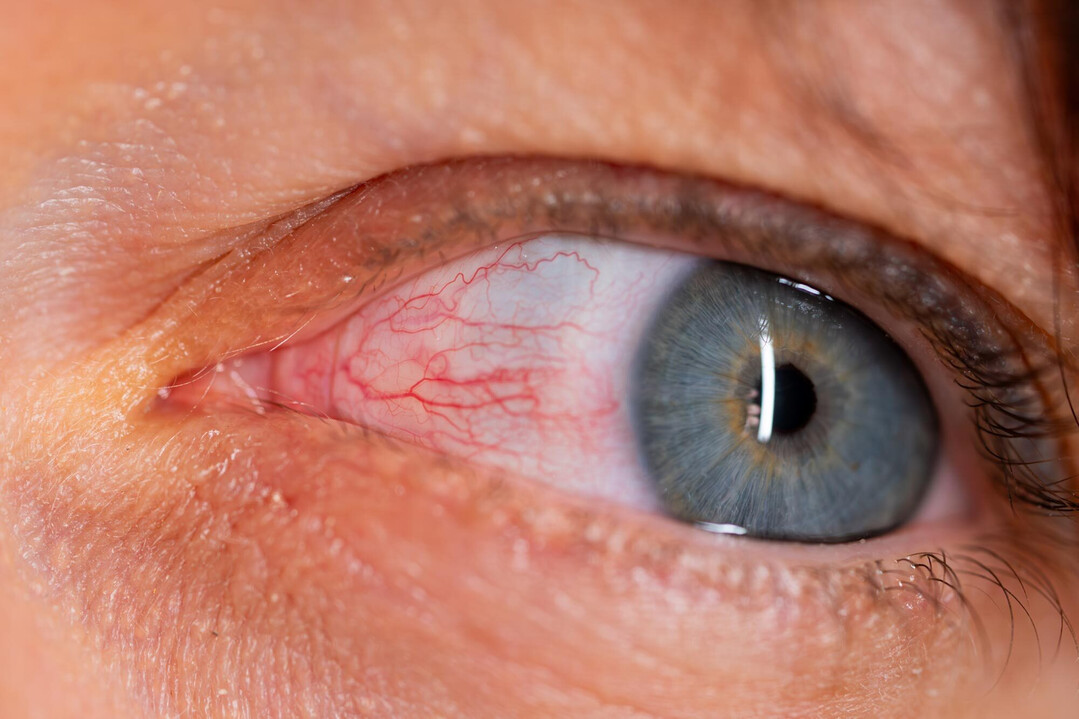
For decades, the mystery of Alzheimer’s disease was confined strictly to the gray matter of the brain. However, groundbreaking research is now turning our gaze elsewhere. A recent study suggests that the first clues to Alzheimer’s may be found in the eyes, linked to a common bacterium responsible for pneumonia and sinusitis.

The Bacterial Smoking Gun
Researchers at Cedars-Sinai Medical Center, publishing in Nature Communications, have identified a startling presence of Chlamydia pneumoniae in the retinal tissues of Alzheimer’s patients. This intracellular parasite, typically known for respiratory infections, has the unique ability to evade the immune system and linger in the body, triggering chronic, low-grade inflammation.

By analyzing the retinal and brain tissues of 104 individuals—ranging from healthy subjects to those with severe Alzheimer’s—the team found a direct correlation: the higher the bacterial load of C. pneumoniae, the more pronounced the neuroinflammation and cognitive decline.

The Eye as a Diagnostic Mirror
"The retina is an extension of the central nervous system," explains Professor Maya Koronyo-Hamaoui, the lead researcher. "It is a rare tissue that we can observe non-invasively. The eye acts as a proxy, reflecting the pathological state of the brain."

Key findings from the study include:

Genetic Vulnerability: Carriers of the APOE4 gene—a known risk factor for Alzheimer’s—showed significantly higher rates of bacterial detection.
Pathological Triggers: In animal models, infection with C. pneumoniae led to increased production of amyloid-beta proteins, the hallmark "plaques" of the disease.
Inflammatory Cascade: Chronic infection appears to accelerate neuronal death and synaptic loss.
 
A New Frontier in Treatment
This discovery shifts the perception of Alzheimer’s from a purely degenerative condition to one potentially driven by chronic infection and inflammation. If the retina can serve as an early warning system, non-invasive eye exams could become a primary tool for early diagnosis before irreversible brain damage occurs.

As science moves forward, the focus may shift toward managing these persistent bacterial "reservoirs" in the eye to slow down or even prevent the onset of dementia.

[Copyright (c) Global Economic Times. All Rights Reserved.]

  • #Globaleconomictimes
  • #Korea
  • #Seoul
  • #Samsung
  • #LG
  • #Bitcoin
  • #Meta
  • #Business
  • #Economic
  • #The Woori Bank
  • #Elon Musk
  • #C
Eugenio Rodolfo Sanabria Reporter

Popular articles

  • "5-Year Wait for K-Transformers": Supply Shortage Creates a 'Tariff-Free Zone'

  • China’s People’s Daily Highlights Kim Ku’s Anti-Japanese Legacy: "A Pioneer of Korea-China Friendship"

  • "Constant Lights and Extreme Temps": Death Toll Hits 31 at U.S. Detention Centers Amid Mass Crackdown

I like it
Share
  • Facebook
  • X
  • Kakaotalk
  • LINE
  • BAND
  • NAVER
  • https://www.globaleconomictimes.kr/article/1065586635014183 Copy URL copied.
Comments >

Comments 0

Weekly Hot Issue

  • Trump Threatens to Block Gordie Howe Bridge Opening, Demands 50% Ownership Stake
  • K-Defense Giants and SMEs Unite to Conquer Saudi Market
  • HJ Industries Lands First Mega-Container Ship Order Worth 353.2 Billion Won
  • Semiconductor Super-Cycle Powers Korea’s Fiscal Recovery: Corporate Tax Surge Hits 22 Trillion Won
  • Export Polarization Intensifies: Top 10 Giants Command 40% of South Korean Exports
  • AI Boom: Speculative Bubble or Generative Opportunity? Investors Shift Focus to "Proof of Profit"

Most Viewed

1
"Climate Intelligence" to Shape National Competitiveness: 6223 Future Forum Concludes 9th Symposium
2
'AI Bus' Connecting Daejeon and Sejong Navigates Complex Urban Challenges
3
BTS to Mark Historic Full-Group Comeback at Gwanghwamun Square This March
4
Daejeon City Visits Sapporo, Japan for 15th Anniversary of Sister City Relationship… Strengthening Economic and Cultural Cooperation
5
Seoul to Host Landmark 'Modest Fashion Festival 2026': A Fusion of K-Style and Global Halal Trends
광고문의
임시1
임시3
임시2

Hot Issue

Export Polarization Intensifies: Top 10 Giants Command 40% of South Korean Exports

Semiconductor Super-Cycle Powers Korea’s Fiscal Recovery: Corporate Tax Surge Hits 22 Trillion Won

Alzheimer’s: Starting in the Eyes, Not the Brain? The Unexpected Link to Common Bacteria

AI Boom: Speculative Bubble or Generative Opportunity? Investors Shift Focus to "Proof of Profit"

Let’s recycle the old blankets in Jeju Island’s closet instead of incinerating them.

Global Economic Times
korocamia@naver.com
CEO : LEE YEON-SIL
Publisher : KO YONG-CHUL
Registration number : Seoul, A55681
Registration Date : 2024-10-24
Youth Protection Manager: KO YONG-CHUL
Singapore Headquarters
5A Woodlands Road #11-34 The Tennery. S'677728
Korean Branch
Phone : +82(0)10 4724 5264
#304, 6 Nonhyeon-ro 111-gil, Gangnam-gu, Seoul
Copyright © Global Economic Times All Rights Reserved
  • 에이펙2025
  • APEC2025가이드북TV
  • 독도는우리땅
Search
Category
  • All articles
  • Synthesis
  • World
  • Business
  • Industry
  • ICT
  • Distribution Economy
  • Well+Being
  • Travel
  • Eco-News
  • Education
  • Korean Wave News
  • Opinion
  • Arts&Culture
  • Sports
  • People & Life
  • Column 
    • 전체
    • Cho Kijo Column
    • Lee Yeon-sil Column
    • Ko Yong-chul Column
    • Cherry Garden Story
  • Photo News
  • New Book Guide
  • Multicultural News
  • Jobs & Workers