![[등록] 2026-09-01 15:48:31](/support/_updata/banner2/tl181982910_6749.png)


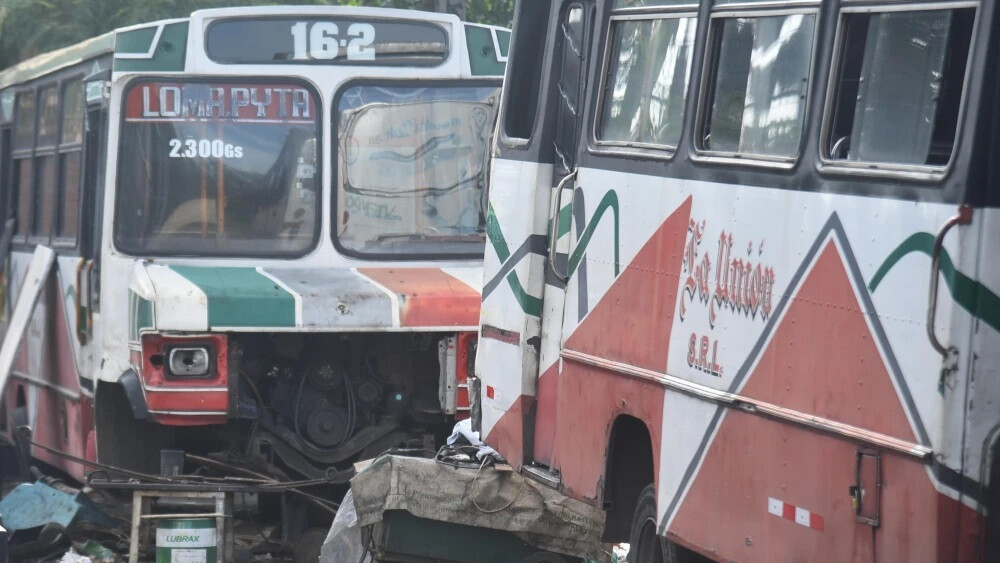
Asunción is set to completely overhaul its outdated public transportation system with the introduction of 100 new urban buses by 2026. According to Andrés Mallada, technical advisor to the Asunción Municipal Transit Department, these buses will all be new and equipped with air conditioning. A fare integration system for passenger transfers will also be implemented. Currently, Asunción's urban bus service is severely lacking, with only three operational routes, causing significant inconvenience for citizens.
New Bus Introduction and Operation Plan
The 100 buses to be introduced will consist of 65 large buses and 35 small buses. The large buses will operate on major arterial roads, while the small buses will circulate through residential areas, complementing the main routes. Mallada stated, "The small buses will operate according to the needs of each area, and all buses will be new and air-conditioned." This new system will adopt a 'trunk-feeder' model, aiming to establish an efficient network where large buses serve as the main trunk lines and smaller buses act as feeder lines.
Fare Realism and Subsidy Issues
The current Asunción urban bus fare is 2,800 Guaranies (approximately $0.38), which is extremely low and results in poor operational profitability. This is a significant problem, as urban buses do not receive subsidies despite having the same operating costs as intercity buses authorized by the Ministry of Transport (VMT). Mallada emphasized, "Asunción has not received subsidies since 2013, making the current system unsustainable." This situation has led to the financial deterioration of existing bus companies, causing service disruptions and a decline in quality.
Operator Integration and Administrative Procedures Underway
The Asunción municipality is currently requiring existing urban bus operators to integrate into a single company, with a unified bus stop system and a single management system. This measure aims to reduce operating costs and improve service efficiency. The city plans to finalize the relevant administrative procedures by next week and begin bidding for the routes of the new system. Active participation and cooperation from existing operators are crucial during this process.
Estimated $17 Million Investment
The new bus introduction project is expected to involve an investment of approximately $17 million. This cost includes not only bus purchases but also infrastructure development across the entire system, such as bus stop improvements, expansion of maintenance facilities, and driver training. Mallada commented, "This investment is by no means large compared to current expenditures," adding that it will contribute to improving citizens' quality of life and alleviating traffic congestion in the long run.
Establishment of an Integrated Fare System
A key component of the new urban bus system is the integrated fare system. Mallada explained, "We will introduce an integrated fare system, like a metro, where transfers are possible with a single fare." This system will be linked not only to the Asunción urban bus system but also to the metropolitan bus system under the Ministry of Transport, allowing passengers to use public transportation more conveniently. This is expected to play a crucial role in modernizing Asunción's public transportation system and maximizing efficiency.
The changes to Asunción's urban bus system are raising expectations for improved public transport services, a long-held desire of its citizens. If the new buses are successfully introduced in 2026 and the integrated fare system is established, it is anticipated that the commuting environment and overall urban convenience for Asunción residents will significantly improve.
[Copyright (c) Global Economic Times. All Rights Reserved.]