![[등록] 2026-09-01 15:48:31](/support/_updata/banner2/tl181982910_6749.png)


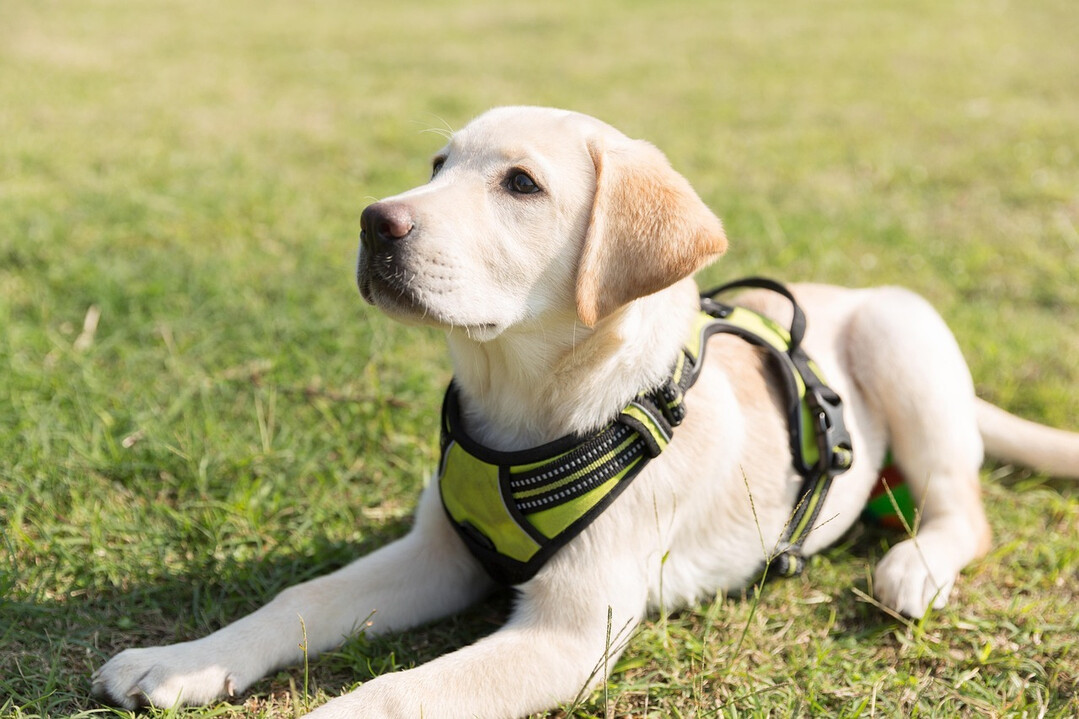
Public outrage is mounting as national service animals—which perform duties for public safety such as tracking criminals, detecting drugs, and searching for people in disaster sites—are effectively abandoned after retirement. Amid growing calls to overhaul the system to guarantee them a stable life, legislative discussions in the National Assembly are gaining momentum, drawing significant attention. Pointed criticisms are gaining traction that administrative authorities must ensure thorough post-management and supervision rather than stopping at one-off support.
◇ "Discarded" Once Old and Sick
National service animals refer to animals performing duties for government and public institutions, such as military dogs, police dogs, 119 rescue dogs, quarantine detection dogs, and drug detection dogs. Assistance dogs for people with disabilities are also viewed similarly, given their public service roles. Synthesizing relevant data from 2024 to 2025, the number of national service animals operated by domestic public institutions and government ministries is estimated at around 1,000 to 1,100. Among them, military dogs stay within the military and perform various missions such as detection, search, tracking, and guard duty. Operating as teams with military dog handlers, it is no exaggeration to say they are on the "front lines of national defense." Police dogs take charge of public security tasks, including tracking criminal suspects, searching for missing persons, and locating evidence. Explosive detection dogs and drug detection dogs play roles in finding hazardous materials and illegally smuggled goods at airports, harbors, and major transportation facilities. In the firefighting sector, 119 rescue dogs track human scent in disaster sites like mountain missing-person accidents or building collapses to find victims. Quarantine detection dogs contribute to preventing the domestic inflow of livestock infectious diseases and plant pests by detecting illegally smuggled livestock and agricultural products at airports and harbors. In addition, there are railway police-related detection dogs and search/detection dogs deployed for Korea Coast Guard duties. Assistance dogs for people with disabilities help visually impaired individuals walk, alert hearing-impaired individuals to surrounding sounds, and support the daily lives of people with physical disabilities. Among them, about 150 dogs are known to step down from active duty every year due to aging, illness, or a decline in mission performance capability.
The welfare issue of national service animals becomes prominent after their active service ends. The private adoption rate hovering around 17% to 22% is the biggest headache. An official from an animal rights organization stated, "Behind the low rate of smooth private adoption are aging and health issues. Individuals that have performed special missions may suffer from joint diseases or chronic conditions due to long-term training and field activities." "Because they may require more medical management than general companion dogs, households hoping to adopt must consider not only feed and vaccination costs, but also regular checkups, drug treatments, surgeries, and rehabilitation expenses," the official explained. "Especially for older dogs, complex diseases may appear or continuous treatment may be needed, so the long-term financial burden is not small."
As an extension of this, the shelter conditions for animals that are not adopted are also cited as a task. Retired dogs living in institutional kennels can receive basic feeding and sanitation management, but when facilities, manpower, and budgets are limited, it may be difficult to sufficiently provide the rehabilitation therapy, pain management, and behavioral/emotional care needed by elderly animals. This is why points are being raised that life after retirement should not be treated merely as a stage of maintaining mere survival. A system is needed to regularly evaluate the health status of animals deployed to public duties for long periods and prepare treatment, exercise, and rest environments tailored to individual characteristics, experts say. For instance, if an individual was repeatedly injured during active service or treated for a specific disease, continuous management should be carried out based on those records even after retirement. However, if information is not linked between institutions, important medical information may be omitted in the process of changing the managing entity. This is the background behind why experts and animal protection organizations emphasize the establishment of a life-cycle integrated management system for national service animals. The core is to link service, training, medical treatment, retirement, and adoption records based on individual identification data, and jointly prepare information sharing and security management standards between institutions.
They also raise a unified voice that it should not stop at mere computerized records. It should be possible to evaluate health conditions and treatment needs at the time of retirement, and connect necessary post-management even after adoption. Through this, expectations are emerging that the welfare level of retired animals can be objectively evaluated and budgets allocated reasonably.
A recurring issue raised in discussions on national service animal welfare is the scope of the state's responsibility. While training, breeding, and medical management necessary for mission performance are provided during active service, management methods change after retirement, such as private adoption or shelter protection within institutions. In this process, the costs and care responsibilities required for the animals' old age can be concentrated on adopters or affiliated organizations. In particular, individuals with low adoption possibilities due to old age or illness inevitably face long-term shelter care, making government-level support all the more important.
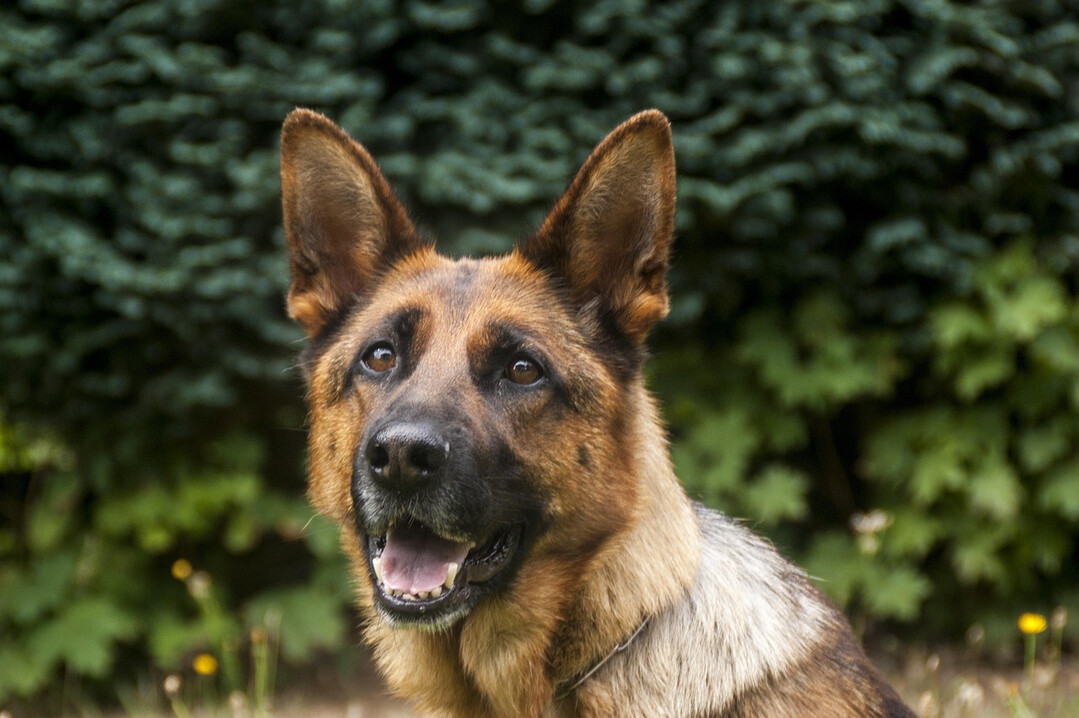
◇ Designing a System Suited to Domestic Conditions Unfortunately, reality is stagnant itself.
According to an analysis of audit data submitted by the Ministry of Agriculture, Food and Rural Affairs on the 14th by Representative Kim Yong-tae of the People Power Party, belonging to the Agriculture, Food, Rural Affairs, Oceans and Fisheries Committee of the National Assembly, only two institutions—the Korea Customs Service and the National Fire Agency—budgeted and executed separate support funds for retired national service animals this year. As of this year, national service animals totaled 1,082. The Ministry of National Defense had the most with 603, followed by the National Police Agency with 202, the Korea Customs Service with 105, the Animal and Plant Quarantine Agency with 95, the National Fire Agency with 58, and the Ministry of Land, Infrastructure and Transport's Railway Police with 19. Among them, the Ministry of National Defense and the National Police Agency were investigated as not having budgeted separate funds for retired national service animals. However, the National Police Agency used remaining breeding budget funds from last year to support adoption supplies for retired police dogs at 500,000 won per head. The Ministry of Agriculture, Food and Rural Affairs allocated 100 million won in its budget for a private adoption support project for retired national service animals this year, of which 70 million won was executed.
An analysis suggests that a system suited to domestic conditions should be designed by comparing support targets, cost-sharing methods, and applicable institutions. An official from an animal rights organization argued, "National service animals are trained for a long time and deployed to the field for people's safety and public interest. Supporting them to spend their old age in a stable environment after finishing their missions goes beyond a simple charitable welfare dimension and is a task that realizes the responsibilities of public institutions and animal welfare principles together." "To this end, we must first establish statistics that can accurately grasp the scale, health status, adoption rate, medical expense expenditure, and shelter facility status of retired animals," the official added. "It is now time to answer with concrete systems and budgets, going beyond declarations, as to how far the state will take responsibility for the old age of animals that dedicated themselves to public safety."
[Copyright (c) Global Economic Times. All Rights Reserved.]