![[등록] 2026-09-01 15:48:31](/support/_updata/banner2/tl181982910_6749.png)


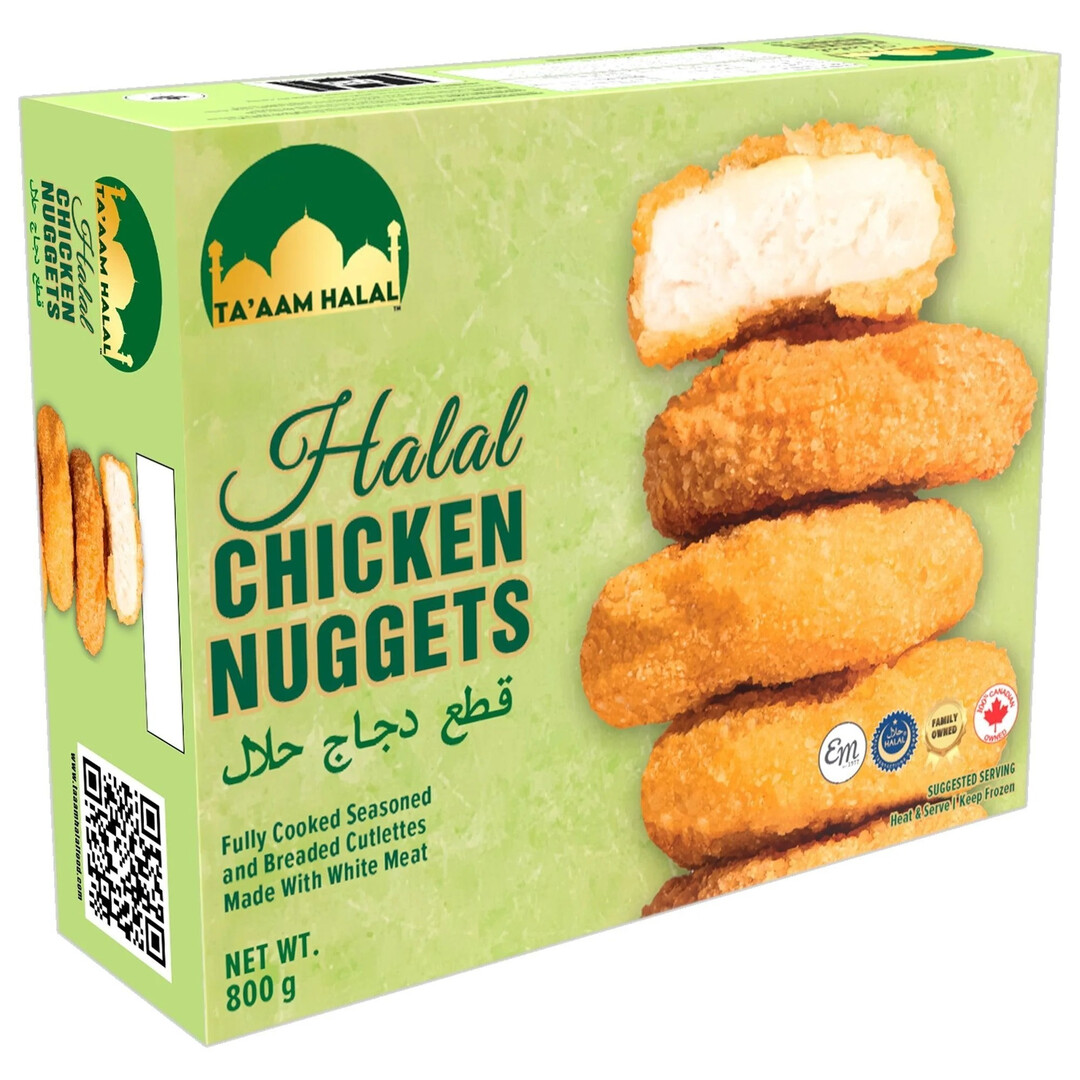
Frozen food has become a cornerstone of the expanding global halal market. According to the State of the Global Islamic Economy Report 2025/26 by DinarStandard, Muslim consumers spent $1.53 trillion on food and drink in 2024, with a significant portion of traded meat moving through international supply chains in frozen form. Major players like Brazil's BRF—selling Sadia brand frozen chicken across the Gulf—and American brands like Saffron Road illustrate the scale of this industry. However, because freezing typically occurs at the end of a long, complex processing chain where ingredients and production lines are invisible, consumers face unique challenges in verifying authenticity.
Understanding what to check across different frozen categories is essential for ensuring compliance with Islamic dietary laws.
Category-by-Category Breakdown
Raw Meat and Poultry: This category requires the strictest scrutiny. Uncertified meat from conventional supply chains is almost never halal, and mislabeling remains a recurring risk in the global meat trade. Shoppers should look for a recognized halal mark and certificates directly from the slaughterhouse.
Nuggets, Burgers, and Sausages: Processed meats introduce additional variables, including the origin of the meat, the source of sausage casings, flavorings, and the potential use of shared equipment in plants that also handle pork. A trusted halal mark on the retail packaging is vital.
Ready Meals and Pizza: These products combine numerous components that may hide non-halal ingredients, such as lard in pastry, wine or alcohol-based flavorings in sauces, and animal-derived rennet in cheese.
International Dishes: Assuming a cuisine is inherently halal is a common pitfall. Chinese, Mexican, and Japanese dishes frequently incorporate pork, pork fat, mirin, or rice wine. Similarly, dishes originating from Muslim-majority regions may be halal in their domestic markets but produced with uncertified meat abroad.
Fries and Potato Products: While potatoes are naturally permissible, the primary risk lies in preparation methods, such as frying in beef fat or utilizing shared fryers contaminated with non-halal products. Consumers should look for vegetable oil usage or a halal mark on coated varieties.
Ice Cream and Frozen Desserts: Frozen sweets can harbor hidden non-halal components like gelatin, animal-derived emulsifiers (such as mono- and diglycerides), and alcohol flavors like rum raisin or tiramisu. While many major brands utilize plant-based stabilizers, recipes vary significantly by country.
Plain Fruit and Vegetables: Single-ingredient frozen fruits and vegetables are generally permissible without formal certification. However, some certifiers still evaluate them to ensure strict standards of cleanliness and the absence of contamination, which is mandatory in certain regulatory markets.
Regulatory Standards
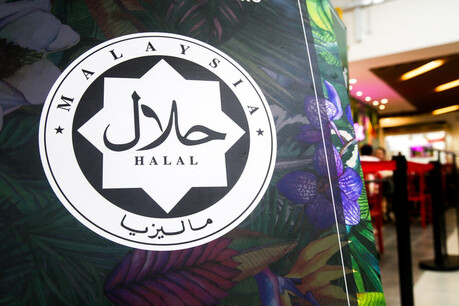
Regulatory frameworks continue to evolve globally. In Indonesia, food and beverage products have faced mandatory halal certification requirements for large and medium-sized producers under the Halal Product Assurance Law of 2014, with imported frozen meat restricted to plants approved by Indonesian authorities. In Malaysia, imported meat must receive approval from both the Department of Islamic Development Malaysia (JAKIM) and the Department of Veterinary Services. Consequently, international exporters must secure recognition from these specific importing authorities to market their frozen goods successfully.
Practical Tips for Shoppers
Prioritize Certification for Meat: For any product containing meat, purchase items only if they feature a recognized halal mark directly on the package.
Scrutinize Ingredient Lists: For meat-free products, carefully read the entire ingredient label to check for hidden additives like gelatin, lard, animal fat, wine, rum, animal rennet, and emulsifier E471.
Look Beyond Brand and Cuisine Names: Never rely solely on the name of a cuisine, the style of a shop, or a brand's country of origin to determine halal status.
Inquire When in Doubt: If a label remains ambiguous, contact the manufacturer directly or opt for a certified alternative.
[Copyright (c) Global Economic Times. All Rights Reserved.]