![[등록] 2026-09-01 15:48:31](/support/_updata/banner2/tl181982910_6749.png)


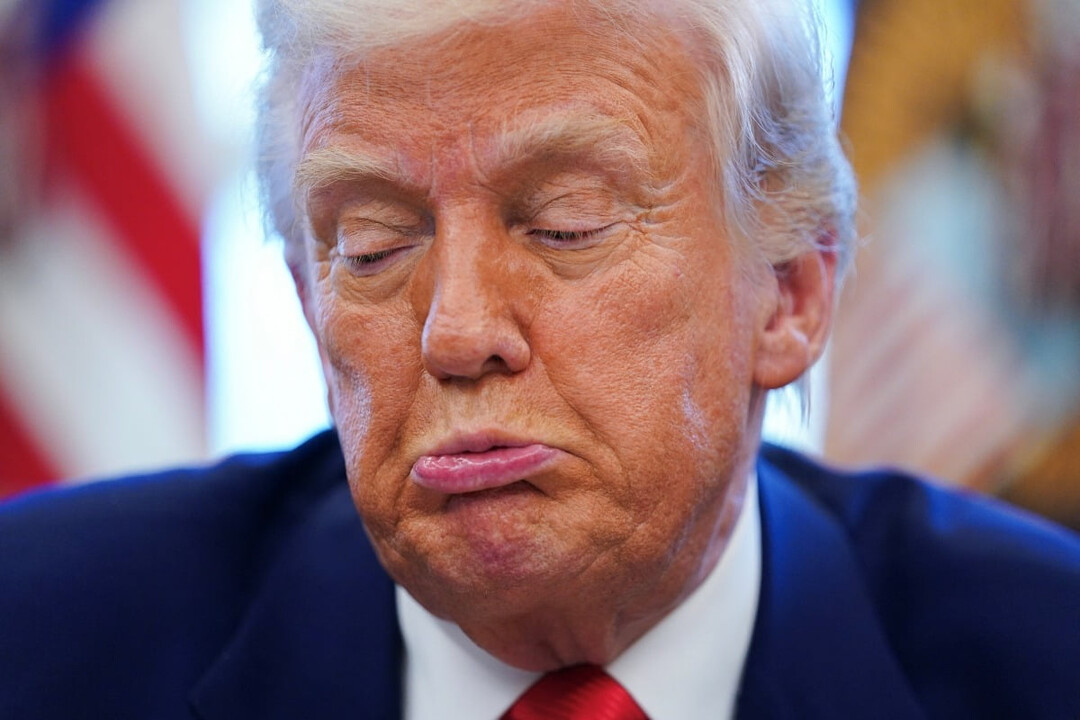
President Donald Trump's remarks about imposing tariffs of up to 200% on imported pharmaceuticals have put South Korea's bio industry on high alert. The industry is in shock and dismay, as the proposed tariff rate far exceeds the previously anticipated 25% range. With the detailed tariff plan expected to be announced later this month, K-bio companies' calculations are becoming even more complex.
Trump's Warning Shot to Strengthen 'America First'
On July 8 (local time), President Donald Trump mentioned in a cabinet meeting that tariffs of up to 200% could be imposed on pharmaceuticals imported into the United States. However, he added that it would not take effect immediately, granting a grace period of approximately 1 to 1.5 years. This is interpreted as an intention to provide pharmaceutical companies with time to relocate manufacturing facilities to the U.S., such as by establishing or acquiring factories there. U.S. Secretary of Commerce Howard Lutnick told CNBC that "details on pharmaceutical tariffs will be announced later this month."
These remarks clearly demonstrate the Trump administration's 'America First' policy direction once again. Following the COVID-19 pandemic, the U.S. has been moving to reduce its reliance on overseas pharmaceutical supply chains and strengthen domestic production. In addition, President Donald Trump's high-tariff policy is interpreted as a strategy to compel foreign pharmaceutical companies to produce in the U.S., thereby creating jobs and stimulating economic activity.
200% Tariff: Impact Beyond Imagination
Previously, major domestic bio companies had been weighing the costs of decreased sales and acquiring facilities in the U.S. against tariff payments, often concluding that paying tariffs would be more favorable in terms of operating profit. This was because a tariff rate of around 25% was considered burdensome but manageable. However, if an unimaginable high tariff of 200% becomes a reality, the situation changes completely.
A source from the domestic bio industry expressed concern, stating, "A 200% tariff is truly an unimaginable level. While we'll have to wait for the detailed tariff plan, companies with a high proportion of U.S. exports urgently need to prepare countermeasures." This reflects a sense of crisis that goes beyond mere profit reduction, potentially forcing them to abandon the U.S. market altogether.
Building a factory in the U.S. takes at least five years and requires more than three times the capital compared to building a domestic factory. Furthermore, even if pharmaceutical production is outsourced to U.S. manufacturing facilities, technology transfer and U.S. Food and Drug Administration (FDA) inspections can take over two years, making immediate 대응 difficult. These practical challenges are deepening the concerns of domestic bio companies.
K-Bio Companies' Response Strategies
According to UN trade statistics, South Korea's pharmaceutical exports to the U.S. in 2024 totaled $3.97 billion (approximately 5.4476 trillion Korean Won). This figure represents a significant pillar of the domestic bio industry. If a 200% tariff is indeed imposed, as Oh Gi-hwan, Executive Director of the Korea Bio Association, stated, "some bio companies might even give up exports entirely," a grim outlook emerges.
Consequently, major domestic bio companies are closely monitoring the situation and exploring various response strategies.
Samsung Biologics is considering acquiring U.S. factories, among other options, and stated that it will maintain its current stance until a detailed tariff plan is announced. For Samsung Biologics, the world's largest contract manufacturing organization (CMO) for biopharmaceuticals, the U.S. market is a key revenue source, making the securing of local production bases an unavoidable task.
Celltrion announced that immediately after the U.S. government's announcement, it secured two years' worth of inventory in the short term and is considering acquiring companies with U.S. production facilities in the long term. This is interpreted as preparing for immediate supply chain disruptions while also pursuing a localization strategy for the future.
SK Biopharm, which developed and sells the epilepsy drug 'Cenobamate' in the U.S., has already taken a proactive step. It has established a production base in Puerto Rico, a U.S. territory near the Dominican Republic, and stated that it has completed preparations for immediate production once tariffs take effect. This is a preemptive strategy to minimize tariff risks and holds significant implications for other companies.
The Future of K-Bio Amidst Uncertainty
Depending on the detailed tariff plan to be announced by the U.S. later this month, domestic bio companies' strategies for entering the U.S. market are expected to be significantly revised. Some positive forecasts suggest that this measure will, in the long term, promote the diversification of domestic companies' global production bases and foster greater self-sustaining competitiveness. However, in the short term, there will inevitably be immense cost burdens and increased market uncertainty.
The K-bio industry has been rapidly growing, enhancing its competitiveness in the global market. However, President Donald Trump's 'tariff bomb' remarks serve as a major variable that could put a damper on this growth trajectory. Urgent action is needed for the government and industry to work closely together to turn this crisis into an opportunity and devise wise strategies to effectively adapt to the new environment of the U.S. market.
[Copyright (c) Global Economic Times. All Rights Reserved.]