
![[등록] 2026-09-01 15:48:31](/support/_updata/banner2/tl181982910_6749.png)


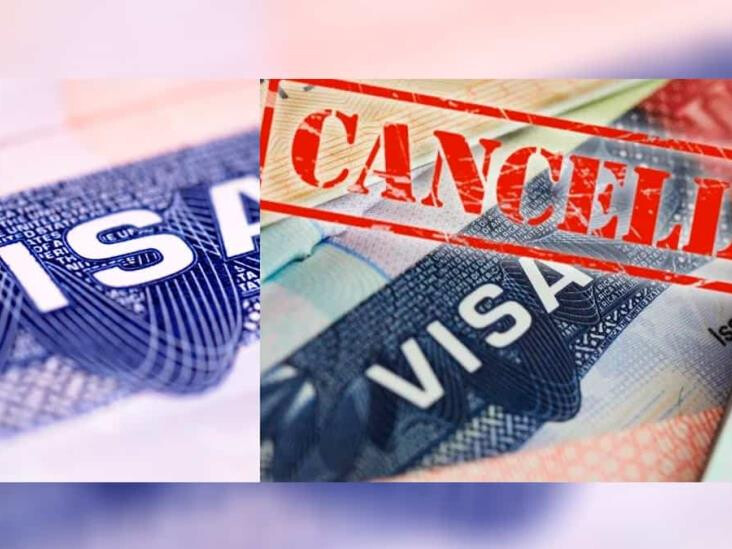
Atlanta, Georgia – A significant legal victory has been secured for international students in the United States as a federal court in Georgia issued a preliminary injunction halting the controversial cancellation of student visas initiated under the Trump administration. The ruling by Judge Victoria Calvert of the Northern District of Georgia on May 18th provides immediate relief to 133 students nationwide, including five students from South Korea, whose immigration status was abruptly jeopardized.
Judge Calvert's decisive action effectively suspends the visa revocation and deportation processes targeting these students for at least two weeks, extending their legal stay until June 2nd. In her ruling, Judge Calvert articulated a clear stance against the blanket cancellation of student visas, asserting that such drastic measures should only be reserved for instances where students have demonstrably abandoned their academic pursuits or have been convicted of serious criminal offenses. "Student visas can only be revoked if a student has interrupted their studies or has been convicted of a felony," the judge stated, emphasizing the lack of legal basis for demanding the swift departure of students with no criminal history.
The lawsuit, spearheaded by attorney Charles Kuck, initially involved 17 students and alumni from various universities in Georgia, hailing from countries including China, Japan, India, Colombia, and Mexico. However, the case rapidly expanded into a de facto class-action lawsuit as over 1,200 international students across the United States found themselves facing similar abrupt visa cancellations. The sheer number of affected individuals underscores the potentially widespread impact of the Trump administration's policy shift on international education within the country.
Among those directly benefiting from Judge Calvert's injunction are five students from South Korea, one of whom reportedly had their visa revoked due to a traffic violation record. The inclusion of minor offenses like traffic violations as grounds for visa cancellation sparked significant concern among international student communities and legal advocates, who argued that such measures were disproportionate and unduly punitive.
In defense of the visa cancellations, the Trump administration argued that it intended to facilitate the continued education of affected students by connecting them with institutions in their home countries or elsewhere. Additionally, for graduates whose employment prospects were impacted by potential deportation, the administration suggested providing economic loss support. However, Judge Calvert seemingly found these justifications insufficient to warrant the abrupt upending of the students' lives and academic careers in the United States.
The implications of this legal challenge extend beyond the immediate relief granted by the preliminary injunction. The sheer volume of students affected – over 1,200 joining the initial 17 plaintiffs – highlights a potential systemic issue in the way student visas were being reviewed and revoked under the previous administration. Concerns have been raised about the lack of due process and the potential for arbitrary decision-making in these cases.
International students contribute significantly to the academic, cultural, and economic landscape of the United States. They bring diverse perspectives to university campuses, enrich classroom discussions, and often contribute to cutting-edge research. Moreover, they represent a substantial economic force, contributing billions of dollars annually to the US economy through tuition, living expenses, and other related expenditures. Policies that create uncertainty and anxiety among international students risk damaging the reputation of US higher education and potentially deterring future talent from choosing American universities.
Attorney Charles Kuck emphasized the unprecedented scale of the lawsuit in terms of the number of international student plaintiffs, expressing hope that the court would ultimately rule in favor of invalidating the visa cancellations entirely. A final ruling in favor of the students would not only provide permanent relief to the affected individuals but also set a crucial precedent for the treatment of international students in the US, affirming their rights and ensuring a more stable and predictable environment for their academic pursuits.
The case underscores the delicate balance between national security concerns and the welcoming environment that is essential for attracting and retaining international students. While the US government has a legitimate interest in ensuring the integrity of its visa system, it must also uphold principles of fairness and due process. The abrupt and seemingly indiscriminate cancellation of student visas, particularly for minor infractions, risks undermining these principles and sending a negative message to the global academic community.
The coming weeks will be critical as the legal proceedings continue. The preliminary injunction offers a temporary reprieve, but the ultimate outcome of the lawsuit will have significant ramifications for the hundreds of international students whose academic futures in the United States hang in the balance. The case serves as a reminder of the human impact of immigration policies and the crucial role of the judiciary in safeguarding the rights of all individuals within the country's borders. For the five Korean students caught in this legal crossfire, and for the hundreds of others from around the world, the hope remains that the court will ultimately affirm their right to continue their studies and contribute to the vibrant tapestry of American higher education.
[Copyright (c) Global Economic Times. All Rights Reserved.]














