![[등록] 2026-09-01 15:48:31](/support/_updata/banner2/tl181982910_6749.png)


Consumers are unhappy, especially businesses.It all has to do with Norway’s integration into the European market. Hydro-electricity generated in Norway is sent via cables to Europe, and lots of it was needed this week when Europe’s own alternative energy sources didn’t produce enough, especially in Germany and Denmark. Analysts blamed a lack of wind- and solar energy production, combined with low temperatures and shorter, darker December days.
“This is absolutely not a situation we want,” Atle Simonsen of energy firm Lyse told state broadcaster NRK. “The power system in Europe has had to fire up all possible and accessible production sources to meet demand.”
That’s left residents and businesses in southwestern Norway facing rates including power-line distribution, taxes and fees of more than NOK 13 (EUR 1.12) per kilowatt hour (kwh). The average rate for electricity alone was NOK 4.09, double what consumers were expected to face in Italy.
“This is higher than the most extreme rates during the Ukraine crisis,” energy analyst, Tor Reier Lilleholt of Volue Insight, told NRK. “It’s the highest we’ve ever seen in Southern Norway.”
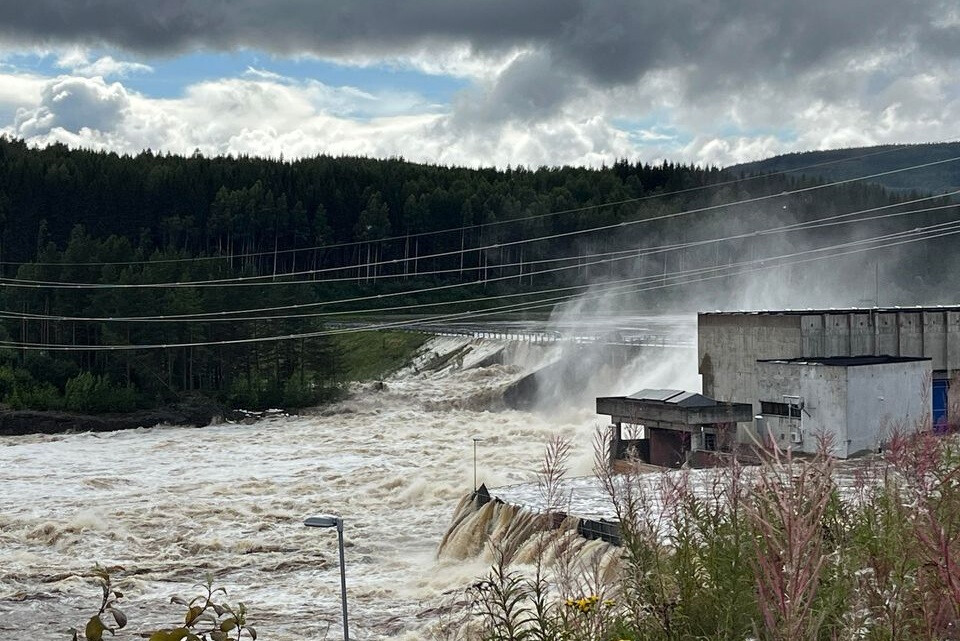
Electricity in Norway used to be one of the few things that was cheaper than in most other countries, because of how the country’s snow, rain, ice, waterfalls and rivers fueled abundant hydroelectric production. Not only has climate change cut into that, Norway now both sends and receives power from elsewhere around Europe through a much more integrated market tied together through cables.
Rates fluctuate, sometimes wildly and also within Norway, depending on supplies within the country’s power regions. Residents of Stavanger and Kristiansand in the southwest were being warned that a five-minute hot shower would cost the equivalent of around NOK 50 Thursday morning, and that it would cost more than NOK 500 (EUR 43) to charge up an electric car with a 50kWh battery.
Residents in the northern part of Norway faced much lower rates, down to just NOK 0.12 in Nordland, Troms and Finnmark, because of how the power grid is distributed. Rates also vary throughout the day, and were expected to peak on Thursday at around 7pm.
Government officials readily admitted that the situation was “absolutely terrible,” with Energy Minister Terje Aasland of the Labour Party resorting to some profanity and telling news bureau NTB that he “can understand very well that people are reacting to this.” He stressed, though, that state subsidy support programs put into place during the last rate spike in 2022 would cut actual monthly bills for Norwegian households, down to as low as NOK 2/kWh. That’s still high by Norwegian standards, though, and can result in unexpected monthly bills of several thousand kroner.
The state support (called strømstøtte) also doesn’t extend to businesses or secondary residences. The hundreds of thousands of Norwegians owning rental units or a holiday home (hytte) are likely to receive literally shocking monthly bills in January, as are, for example, retailers, restaurants and all businesses using electricity. And that can prompt (or force) them to raise prices.
“These are crazy rates that hit those already struggling the hardest, and they weaken competitiveness for much of Norwegian business and industry,” said Sylvi Listhaug, leader of the conservative Progress Party. She thinks state support programs should be expanded. While business organizations call for more expansion of Norway’s own power production and distribution, government officials admit Norway “no longer has control” over its electricity market.
That prompted calls from the Labour-Center government itself to drop refurbishment of some cables from Norway to Denmark. “It’s incredibly important that we join forces on this,” said Marit Arnstad of the government’s Center Party. “The energy minister should also renegotiate a cable to England.” Others call that “nationalistic” and support integration into the European market, also when it comes at high cost.
[Copyright (c) Global Economic Times. All Rights Reserved.]