![[등록] 2026-09-01 15:48:31](/support/_updata/banner2/tl181982910_6749.png)


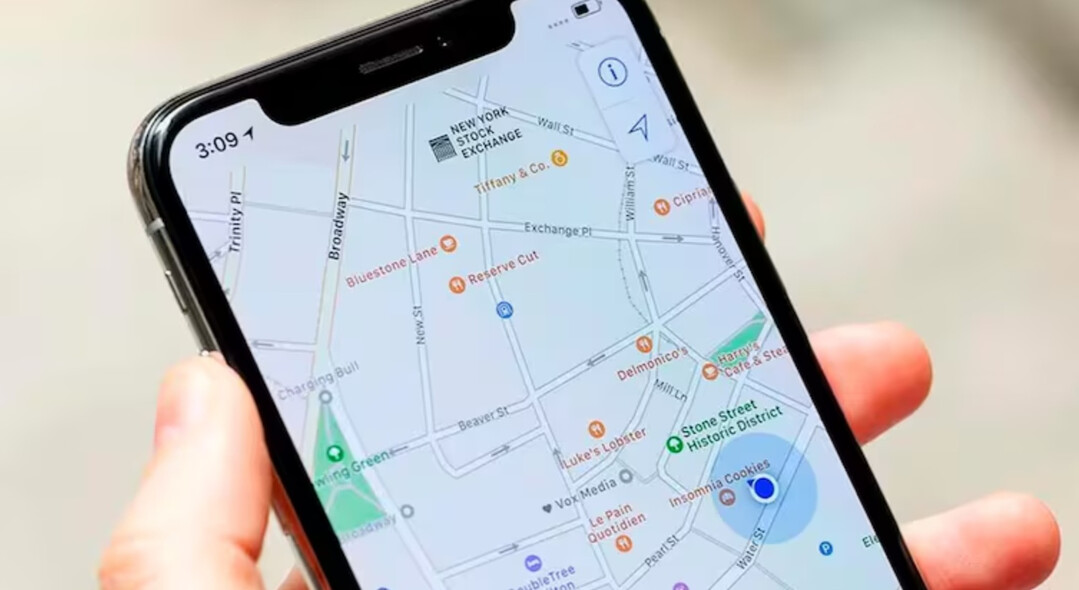
The Paraguayan Chamber of Deputies has granted partial approval to a bill that aims to revolutionize missing persons search protocols and mandate the use of digital technology. This bill, officially known as the "Bill to Establish a Special Protocol for the Search of Missing Persons Through Digital Media," primarily mandates telecommunication companies to immediately provide location information of missing individuals.
Representative Saúl González (ANR-Central), the bill's proponent, highlighted that one of the biggest challenges in the missing persons search process is the delay in information provision by telecommunication companies. He added, "Families of missing persons often hear from the police that telecom companies delay providing geolocation and cell tower triangulation information."
According to the bill's statement of motivation, this situation causes frustration as callers feel that the police, prosecutor's office, and guarantor courts are not acting with the necessary urgency. This has been pointed out as a major reason for missing the critical "golden hours" in the initial stages of a disappearance.
The bill stipulates that public and private mobile communication companies must provide geolocation and cell tower triangulation data immediately upon request, either in real-time or within a maximum of two hours. This is seen as a strong measure to resolve the current issues of investigative delays caused by slow information provision.
Previously, telecom companies were passive in providing information, citing privacy concerns, or rapid response was difficult due to lengthy court warrant issuance procedures. However, given that the initial hours to days are crucial for the success of missing persons cases, this bill is expected to contribute to securing this golden hour.
The bill also designates the Missing Persons Search and Location Department of the Paraguayan National Police as the primary investigative body. However, it also grants the Attorney General's Office the authority to directly request information from the guarantor court if the police do not immediately activate the protocol. Information requests will be processed through a procedure called "anticipo jurisdiccional de pruebas" (judicial anticipation of evidence), ensuring a robust legal framework for information requests. This aims to enhance flexibility and speed in the investigation process, maximizing the efficiency of initial responses.
One of the bill's most stringent provisions mandates telecommunication companies to "improve their technical facilities and infrastructure to provide the necessary response within the prescribed time." This measure preemptively addresses claims that current systems make real-time information provision difficult and compels active investment to strengthen technological capabilities.
While telecom companies are expected to bear significant system improvement and investment burdens if this bill comes into effect, it is considered an unavoidable measure given its public value in enhancing the efficiency of missing persons searches and contributing to saving lives.
After receiving partial approval in the Lower House, the bill will be transferred to the Senate for the next constitutional procedure. If it passes the Senate as well, Paraguay will set a leading legislative precedent in using digital technology for missing persons searches.
This move is also seen as aligning with the growing international trend of digital technology's role in addressing missing persons issues. If this bill is finally enacted, the process of finding missing people can proceed more quickly and effectively, which is expected to bring great hope to the families of missing persons.
[Copyright (c) Global Economic Times. All Rights Reserved.]