

At a bustling café in Chuncheon, Gangwon Province, Cho Kyung-ok tenderly pulled out a worn photograph of her 95-year-old mother and older sister. It had been nearly three decades—since 1998 when she was 25—since she last laid eyes on them.
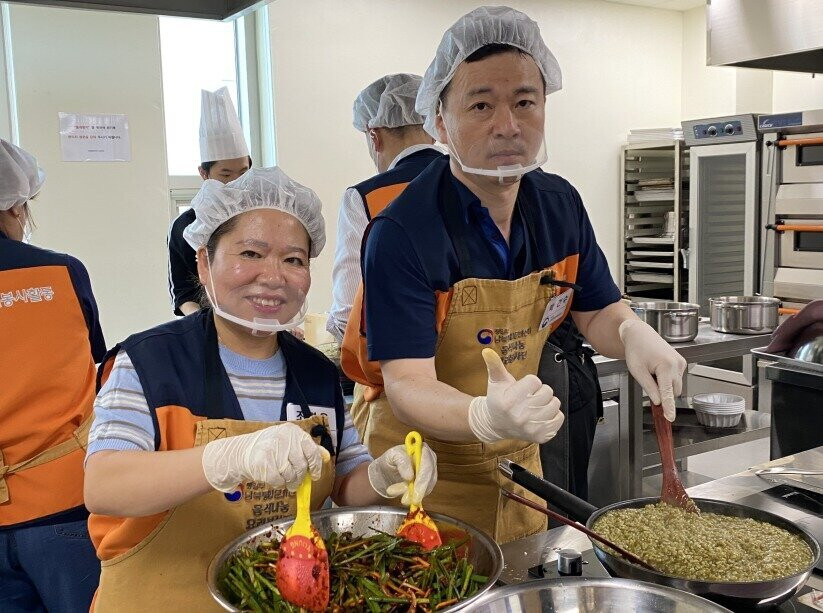
Cho’s journey to peace has been fraught with extraordinary adversity. In her youth, she fled North Korea across the Tumen River, enduring a decade of stateless survival in China. Though she managed to bring her young daughter to South Korea in 2008, her young son had to be left behind, a painful separation that lingers to this day. Today, however, Cho writes a new chapter. Employed at the Chuncheon City Hall water utility department, she serves as the city’s pioneering North Korean defector civil servant, spending her weekends packing and distributing meals to local seniors.
From Railway Whistles to the Tumen River Crossing
Before her escape, Cho lived in Musan, Hamgyongbuk-do, working as a train attendant. Responsible for announcing upcoming stops and signaling departures with a sharp blast of a whistle, she held a coveted job secured through her father’s political standing.
However, a side hustle transporting antiques from Chongjin to Musan went awry when authorities cracked down on unauthorized cargo. Fearing that her arrest would bring severe repercussions upon her family—and determined to shield them—she chose self-exile.
Lacking swimming skills, she scouted the Tumen River for a week until she found a shallow, knee-deep crossing. Slipping past border patrols at midnight, she made it across, only to fall victim to human trafficking in China shortly after. Narrowly escaping a forced marriage and police scrutiny with the help of a quick-witted local grandmother who hid her in a kimchi pit, Cho fled deeper into the country on the back of a motorcycle.
Hardship, Separation, and the Journey to Freedom
Life in China brought a string of turbulent relationships and the birth of her daughter. After escaping a gambling-addicted partner and subsequently facing detention by Chinese authorities—who surprisingly showed her leniency and advised her to seek protection—she entered another difficult domestic situation. When her second partner prioritized his own biological son and mistreated her daughter, Cho made the agonizing choice to leave.
Leaving her son behind due to shifting circumstances and severed contact lines, she traversed Thailand with her daughter and finally landed in South Korea.
Arrival in the South brought the greatest gifts of all: legal status and profound freedom. Welcomed by a warm community of neighbors and fellow defectors who ensured she never felt alone in an empty apartment, Cho began rebuilding her life from scratch. From grueling farm labor to restaurant shifts that tested her physical endurance, she persevered, driven by the dignity of earned wages.
Breaking Barriers and Giving Back
Determined to enter office work and pursue social welfare, Cho studied tirelessly. In 2015, she seized an opportunity at Chuncheon City Hall, boldly challenging interviewers to give defectors a chance. Her grit paid off, transforming her into an indispensable public servant who handles citizen inquiries with veteran poise. Meanwhile, her daughter grew up to graduate university and build a successful career in the arts.
Though she maintains cautious contact with her family in the North and still mourns the son left behind, Cho pours her heart into giving back. Devoting all 18 of her annual leave days to volunteer work with local groups like the Red Cross and the Jindallae Volunteer Corps, she delivers meals to the elderly with unwavering dedication.
"Volunteering brings me joy," Cho reflects, capturing the essence of her transformation. "It makes me truly feel like a valued member of South Korean society."
[Copyright (c) Global Economic Times. All Rights Reserved.]