

While advanced artificial intelligence tools and smart eyewear infiltrate national qualification tests, disjointed regulatory frameworks and decentralized government oversight are hobbling prompt countermeasures, revealing stark discrepancies between standard technical tests and high-stakes professional exams.
Exam security protocols in South Korea are facing heightened scrutiny following a wave of sophisticated cheating scandals involving generative artificial intelligence and wearable tech. Although regulatory bodies are scrambling to update enforcement codes, a patchwork of separate governing laws and overlapping authorities continues to hamper unified enforcement.
Structural Hurdles Across Multiple Ministries
The Human Resources Development Service of Korea (HRD Korea) acts as the primary administrator for dozens of national exams. However, the legal responsibility and rule-making authority for these tests are scattered across 17 distinct government departments.
For instance, while the Ministry of Employment and Labor oversees technical certifications under the National Technical Qualifications Act, specialized professional licenses—such as tax accountants, labor consultants, and customs brokers—operate under independent statutes managed by separate ministries. This administrative divide means that regulatory upgrades made in one sector do not automatically apply to others. A recent high-profile case involving a top-tier tax accountant applicant using concealed micro-cameras and AI channels highlighted these administrative gaps, forcing authorities to rely on criminal business-obstruction charges rather than uniform administrative mechanisms.
Lagging Regulations Meet Rapidly Evolving Tech
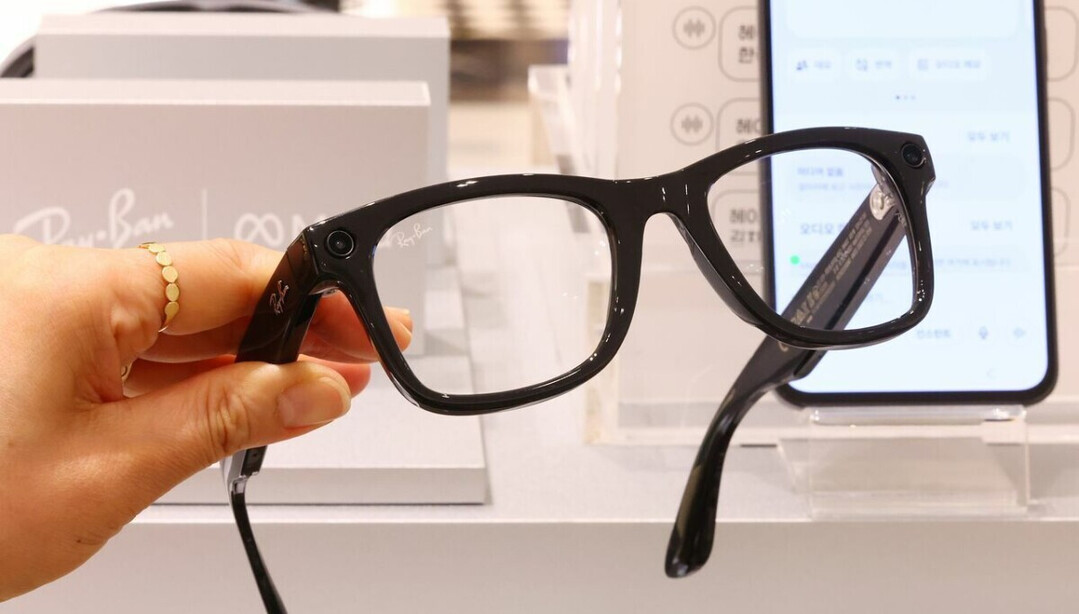
Current enforcement rules specify a traditional list of prohibited electronics—such as MP3 players, personal digital assistants, and camera pens—leaving newly emerging gear like smart glasses in a regulatory gray area. Regulators have historically relied on broad catch-all clauses to penalize unauthorized high-tech usage, but legal experts argue that explicit, updated definitions are vital to secure firm convictions and deter future infractions.
The Ministry of Employment and Labor has announced intentions to overhaul its enforcement rules by the first half of the coming year, shifting from an exhaustive list of forbidden items to a more comprehensive framework. Nevertheless, specialized tests governed by separate ministries will require independent legislative action to align with these enhanced security measures.
Divergent Device Management Protocols
Contrasting approaches to device management have further intensified public debate over test integrity. Major academic milestones, such as the national college entrance examination (CSAT), enforce strict protocols where proctors collect all electronic devices prior to the opening bell, treating mere possession of prohibited tech as grounds for immediate disqualification.
Conversely, standard professional qualification exams administered by HRD Korea typically instruct candidates to power down personal devices and store them inside bags at the classroom's periphery. Education and legal advocates are now calling for a sweeping harmonization of testing environments to ensure that high-stakes professional licenses maintain the same rigorous defense standards seen in other national evaluations.
[Copyright (c) Global Economic Times. All Rights Reserved.]