![[등록] 2026-09-01 15:48:31](/support/_updata/banner2/tl181982910_6749.png)


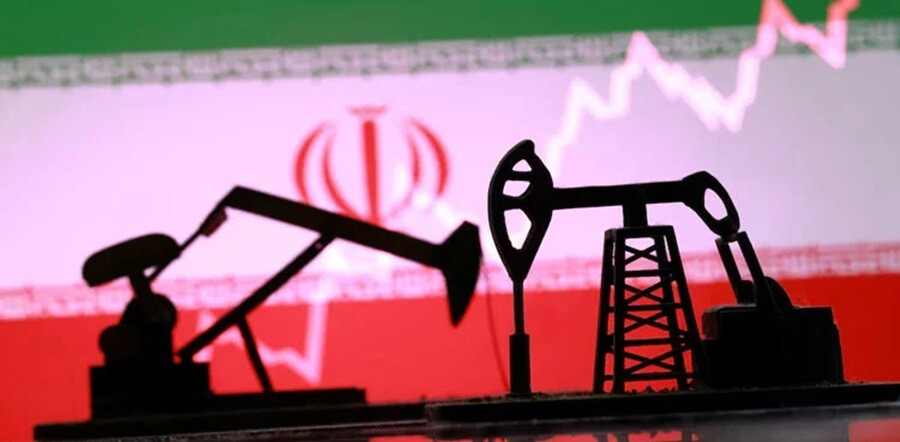
RIYADH — Saudi energy officials have issued a stark warning that international crude prices could surge past $180 per barrel if the ongoing conflict in Iran and subsequent supply disruptions extend through late April.
The report, first detailed by the Wall Street Journal (WSJ) on March 19, suggests a worst-case scenario where a prolonged stalemate could push prices as high as $200 per barrel, a level previously deemed unthinkable by most market analysts.
The Geopolitical Tinderbox
The current energy crisis was ignited on February 28, 2024, following military strikes on Iran by Israeli and U.S. forces. The ensuing escalation has seen the strategic Strait of Hormuz—the world’s most important oil transit chokepoint—effectively blockaded. Furthermore, repeated strikes on oil and gas infrastructure across the Persian Gulf have paralyzed production capabilities.
Since the onset of hostilities, global oil prices have skyrocketed by approximately 50%. On March 19, Brent crude futures briefly touched $119 per barrel before retreating slightly. To put this in perspective, the current trajectory is rapidly approaching the all-time record of $146.08 set in July 2008.
A Weekly Escalation Forecast
According to Saudi officials and internal projections from the state-owned giant Aramco, the price trajectory is expected to follow a steep, incremental climb if the blockade persists:
Current Standing: Saudi Light Crude is currently trading at approximately $125 for Asian buyers via Red Sea ports.
Late March: Prices are expected to hit $138–$140 as spare inventories are depleted.
Early April: If the Strait of Hormuz remains closed, prices are projected to reach $150.
Late April/May: A weekly jump of $15–$20 could drive the benchmark to $165, then $180.
Analysts at Wood Mackenzie noted that the $200 threshold is "no longer within the realm of impossibility," particularly if the war enters a protracted "war of attrition" phase that permanently damages regional extraction infrastructure.
The "Double-Edged Sword" for Riyadh
While skyrocketing prices might seem like a windfall for the world’s largest oil exporter, the reality for Saudi Arabia is far more complex. The WSJ report highlights a growing concern within Riyadh regarding "demand destruction."
"When prices exceed certain psychological and economic thresholds, the global economy doesn't just slow down—it breaks," noted one energy economist. "Extreme volatility leads to a sharp contraction in consumption and can trigger a global recession, which ultimately collapses the demand for Saudi oil in the long run."
Furthermore, Saudi leadership is wary of the "war profiteer" narrative. The Kingdom’s strategic preference has historically been for moderate, stable price growth that maintains its global market share without incentivizing a rapid, desperate shift toward alternative energy sources in the West and Asia.
Market Sentiment and the Road Ahead
The futures market reflects this growing anxiety. While the highest volume of bets remains in the $130–$150 range for April, there is a marked increase in "tail-risk" positions wagering on much higher peaks.
With no immediate ceasefire in sight and military tensions remaining at a fever pitch, the global economy now sits at the mercy of the Persian Gulf's stability. If the Strait of Hormuz does not reopen by the second week of April, the world may face an energy shock unlike anything seen since the 1970s.
[Copyright (c) Global Economic Times. All Rights Reserved.]