![[등록] 2026-09-01 15:48:31](/support/_updata/banner2/tl181982910_6749.png)


(C) Fair Observer
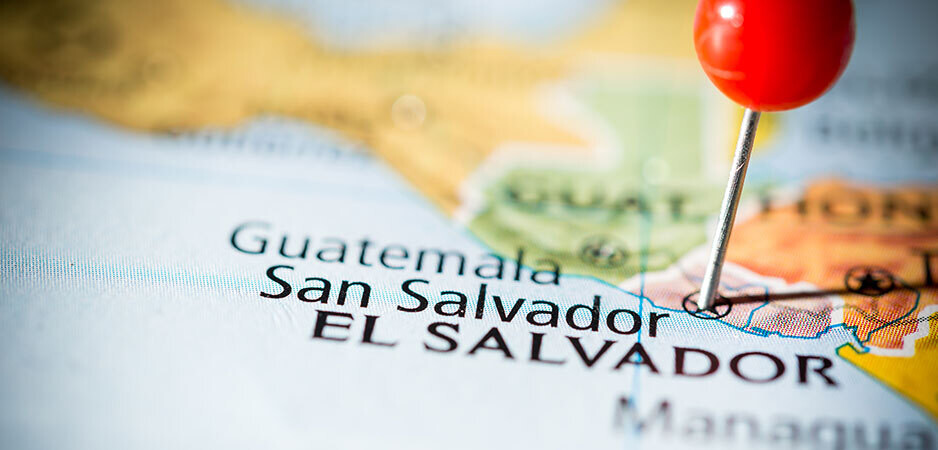
SAN SALVADOR — For decades, the mere mention of El Salvador evoked images of gang violence, barbed wire, and fear. Today, that narrative is being rewritten by the aroma of specialty coffee in San Salvador’s bustling cafes and the sound of crashing waves at world-class surfing resorts. According to recent data, El Salvador has officially emerged as the third fastest-growing tourism destination in the world, a feat largely credited to President Nayib Bukele’s uncompromising crackdown on organized crime.
A Statistical Renaissance
Recent analysis by the British newspaper The Telegraph, utilizing data from the United Nations World Tourism Organization (UNWTO), highlights a staggering trajectory. In 2019, El Salvador welcomed approximately 1.76 million visitors. By last year, that number surged to 3.18 million—an 80% increase.
This growth rate places El Salvador behind only Qatar (137%) and Albania (84%) on the global stage. Notably, American tourists represent the largest share of this influx, with approximately 1.2 million U.S. citizens visiting the Central American nation last year alone.
Safety: The Catalyst for Growth
The primary driver behind this economic pivot is the dramatic improvement in national security. When President Bukele first took office in 2019, he inherited a nation crippled by gang warfare. In 2015, the country suffered from a homicide rate of 106.3 per 100,000 people—one of the highest in the world outside of a war zone.
Following a massive, nationwide "war on gangs," that figure plummeted. Last year, the homicide rate reached a historic low of 1.9 per 100,000 people, the lowest in Latin America.
"Security stability has been the single most influential factor," said Morena Valdez, El Salvador's Minister of Tourism. "The efforts of the Bukele administration to ensure safety have directly translated into the revitalization of our tourism sector."
On August 31, Bukele took to X (formerly Twitter) to announce that the country had achieved a milestone of 1,000 days without a single homicide since his administration began. "I thank the members of our military and police who risked their lives so we could finally live in true peace," he stated.
Beyond Security: The Attractions
With the fear of violence receding, international travelers are discovering El Salvador’s hidden gems. Chief among these is El Tunco Beach, a premier global surfing destination that has hosted several international competitions.
Further inland, history buffs are flocking to Joya de Cerén, a UNESCO World Heritage site known as the "Pompeii of the Americas." This Mayan farming village was buried under volcanic ash around AD 600, preserving the daily lives of its inhabitants in near-perfect detail.
The Cost of Stability?
While the international community has raised concerns regarding human rights and civil liberties during the state of exception used to dismantle gangs, Bukele’s domestic popularity remains unparalleled. According to polling firm Morning Consult, Bukele maintains a 91% approval rating, the highest of any world leader.
This immense public trust recently emboldened the administration to pass constitutional amendments allowing for "unlimited presidential re-election," a move that has sparked debate among political analysts regarding the country’s democratic future. However, for the majority of Salvadorans who can now walk their streets at night without fear, the trade-off appears to be one they are willing to make.
Looking Ahead
The "Bukele Effect" has created a virtuous cycle: improved security leads to higher sovereign credit ratings, which attracts foreign investment, which in turn fuels the tourism infrastructure. As El Salvador continues to shed its reputation as the "murder capital" of the world, it is positioning itself as the new heart of Central American travel.
For a nation that was once a cautionary tale of state failure, the sight of tourists sipping lattes under murals of "Paso a Paso" (Step by Step) represents more than just an economic shift—it represents a hard-won sense of hope.
[Copyright (c) Global Economic Times. All Rights Reserved.]