![[등록] 2026-09-01 15:48:31](/support/_updata/banner2/tl181982910_6749.png)


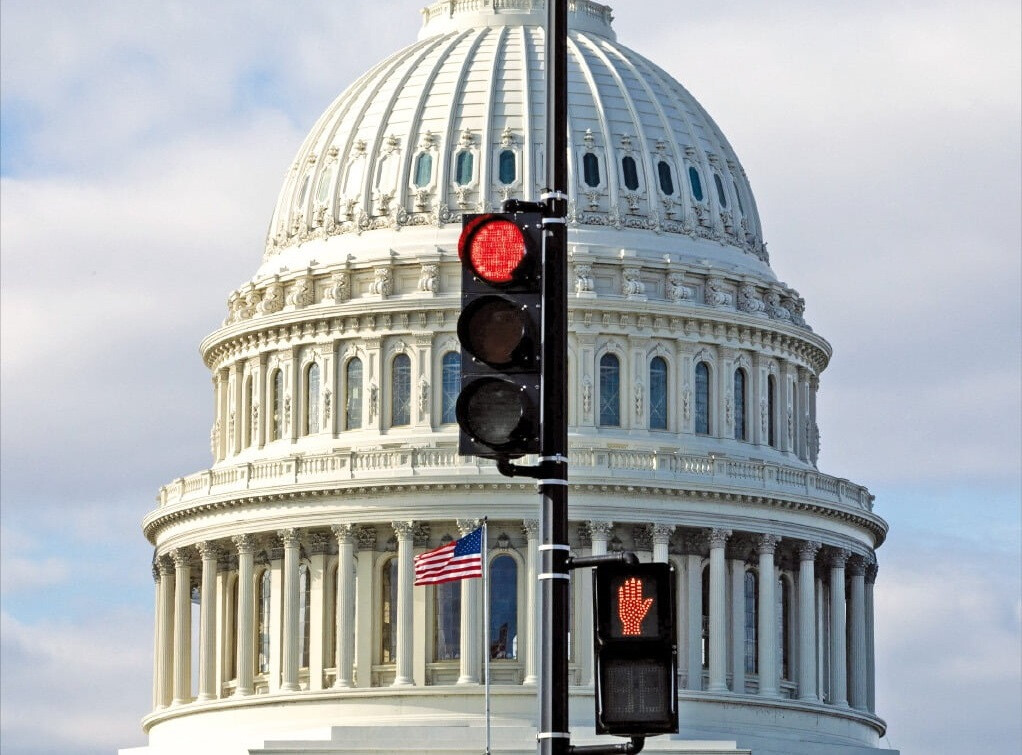
WASHINGTON, D.C. – September 28, 2025 – The U.S. federal government is on the brink of a partial shutdown as the deadline for funding the new fiscal year—September 30—rapidly approaches without a budget agreement between the Republican-led Congress and the Democratic opposition. The impasse over appropriations for the 2026 fiscal year has raised the likelihood of a temporary cessation of government services next week, a situation further complicated by the Trump administration’s plan to use a shutdown as a mechanism for permanent federal workforce reduction.
Partisan Gridlock Stalls Funding
The core of the dispute centers on the passage of the annual spending bills. Republicans, who hold the majority in the Senate (53 seats), failed on September 19 to pass a seven-week stopgap funding bill (Continuing Resolution or CR), which would have temporarily kept agencies operating while full negotiations proceeded. The measure fell short of the 60 votes needed for passage, with Democrats (47 seats) standing firm in their opposition.
Democrats are demanding the extension of subsidies for the Affordable Care Act (ACA), also known as Obamacare, and other key health care provisions. The bipartisan deadlock has only intensified, with President Donald Trump refusing a meeting requested by Democratic congressional leadership. The President dismissed the outreach, stating that "no meeting with their Congressional Leaders could possibly be productive," and instead placed the blame for the looming crisis squarely on Democrats, arguing they are making "completely unreasonable" demands.
A Shutdown with Permanent Consequences
While past government shutdowns have involved mass furloughs and temporary unpaid work for essential employees, the current administration's strategy suggests a far more dramatic outcome.
The White House Office of Management and Budget (OMB), directed by Russell Vought, has instructed federal agencies to prepare for mass layoffs (Reduction in Force) targeting departments and programs deemed "not consistent with the President's priorities" if a funding lapse occurs on October 1. This marks a significant departure from the standard procedure of simply placing non-essential employees on unpaid leave, who are typically guaranteed back pay once the government reopens.
Under the proposed plan, key agencies are expected to face major cuts:
The Department of Labor would halt most activities and fire thousands of employees.
National Parks could be closed, and their staff laid off.
Internal Revenue Service (IRS) phone assistance would cease and could face permanent discontinuation.
Pro-Trump figures, such as former House Speaker Newt Gingrich, openly support this aggressive approach, seeing the shutdown as an opportunity to reshape the federal government. "They want a smaller government," Gingrich stated, and are prepared to "actively exploit every opportunity (shutdown) provided by the left to restructure government."
Essential Services and Past Precedent
If the government shuts down, non-essential services will cease until new funding is approved. However, activities critical to national security, law enforcement, and public safety—such as border security and essential defense operations—are typically considered "excepted" and will continue, with personnel working without pay. Key mandatory spending programs like Social Security and Medicare are also generally unaffected, though customer service and administrative functions may be curtailed.
President Trump is no stranger to the situation; the longest U.S. government shutdown in history (35 days from late 2018 to early 2019) occurred during his first term, fueled by his demand for border wall funding. This time, however, the administration is using the threat of a shutdown not just as a bargaining chip, but as a deliberate instrument for fundamental government reform and downsizing.
[Copyright (c) Global Economic Times. All Rights Reserved.]