![[등록] 2026-09-01 15:48:31](/support/_updata/banner2/tl181982910_6749.png)


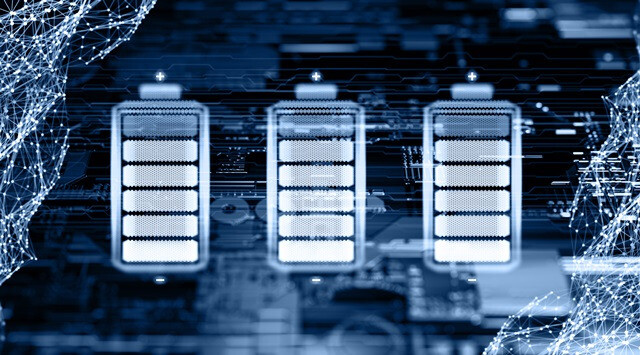
Daejeon Metropolitan City, a hub of scientific research and technological innovation in South Korea, has announced a comprehensive and ambitious plan to position itself as a global leader in the burgeoning secondary battery industry by 2030. The ‘Comprehensive Plan for Fostering the Advanced Secondary Battery Industry’ outlines a strategic roadmap with a significant investment of KRW 88.088 billion (approximately USD 65 million) over the next five years, focusing on four key strategies and twelve specific tasks. This initiative underscores Daejeon’s commitment to capitalizing on the immense potential of the secondary battery sector, a critical component of the future energy landscape and a key driver of advancements in electric vehicles, renewable energy storage, biotechnology, defense systems, and aerospace technologies.
The global race for technological supremacy in the secondary battery market is intensifying, driven by the urgent need for efficient and sustainable energy solutions. Recognizing this, Daejeon aims to leverage its inherent strengths, particularly its robust R&D infrastructure and its established capabilities in manufacturing and inspection equipment. The city’s strategic approach centers on developing specialized, demand-driven technologies that are intricately linked with its existing strategic industries. This synergistic approach promises to unlock new market opportunities and create a unique competitive edge for Daejeon in the global battery ecosystem.
The four core strategies underpinning Daejeon’s plan are:
Securing and Commercializing Strategic Industry-Specific Innovative Technologies: This pillar focuses on fostering research and development that directly addresses the specific needs of Daejeon’s key industries, including biotechnology, defense, and aerospace. By tailoring battery technology to these sectors, Daejeon aims to create niche markets and establish itself as a provider of specialized, high-value battery solutions. For instance, developing high-performance, lightweight batteries for aerospace applications or long-lasting, reliable power sources for medical devices aligns perfectly with the city’s existing industrial strengths.
Fostering Global Small and Medium-sized Enterprises (SMEs) and Expanding the Value Chain: Recognizing the crucial role of a vibrant ecosystem of suppliers and specialized firms, Daejeon intends to nurture local SMEs in the secondary battery sector. This includes providing support for scaling up production, facilitating the transition of existing businesses into the battery industry, and establishing a robust global network for industry-academia-research collaboration. By strengthening the entire value chain, from raw materials processing to battery manufacturing and recycling, Daejeon aims to create a sustainable and resilient industrial base.
Establishing a Leading Technology Base: This strategy involves significant investments in building cutting-edge infrastructure. A key initiative is the development of a micro solid-state battery performance evaluation and manufacturing platform, leveraging Daejeon’s expertise in semiconductor processing. Solid-state batteries are considered a next-generation technology offering enhanced safety and energy density. Additionally, the city plans to establish an industrial promotion hub center to serve as a focal point for research, development, and collaboration within the secondary battery sector. These facilities, to be developed in phases from 2026 to 2030 through national government-funded projects, will provide crucial resources for companies and researchers in the region.
Creating an Innovative Ecosystem: Daejeon understands that a thriving industry requires more than just technology and infrastructure. This strategy focuses on fostering a supportive environment for innovation, including streamlining regulations, providing access to funding and talent, and promoting collaboration among businesses, research institutions, and universities. Furthermore, the city plans to create an ‘Energy Valley’ by linking its secondary battery initiatives with its existing strengths in solar power, hydrogen energy, and the Institute for Basic Science’s Rare Isotope Science Project (RAON) heavy ion accelerator. This integrated approach aims to create synergies and foster cross-disciplinary innovation in the broader energy sector.
The ambitious goals set by Daejeon for 2030 include listing 18 leading secondary battery companies on the stock market, generating a combined revenue of KRW 2.3586 trillion (approximately USD 1.74 billion) for major companies in the sector, creating 6,191 high-quality jobs, and training 1,390 specialized professionals. Achieving these targets would not only significantly boost the regional economy but also solidify Daejeon’s position as a key player in the global secondary battery market.
An official from Daejeon City acknowledged the current stabilization phase in the secondary battery industry but emphasized its pivotal role as a future core industry. The city is committed to actively fostering anchor companies that will drive regional economic growth and to diligently implementing the outlined strategies and tasks.
Daejeon’s proactive and comprehensive approach to the secondary battery industry reflects a strategic vision to capitalize on a high-growth sector with significant implications for various industries and environmental sustainability. By leveraging its existing strengths and fostering a collaborative ecosystem, Daejeon is positioning itself not just as a participant but as a future leader in the global secondary battery market, contributing significantly to the advancement of energy storage technology and the transition towards a more sustainable future. The success of this initiative will not only transform Daejeon’s economic landscape but also contribute to South Korea’s overall competitiveness in this critical industry.
[Copyright (c) Global Economic Times. All Rights Reserved.]