![[등록] 2026-09-01 15:48:31](/support/_updata/banner2/tl181982910_6749.png)


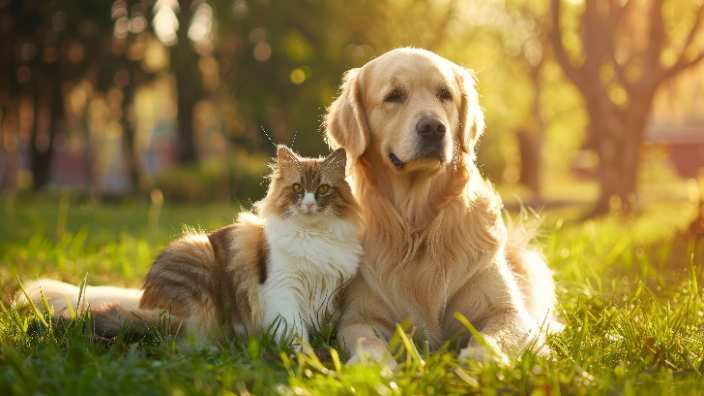
During seasonal transitions, when the gap between morning and evening temperatures widens and the air becomes dry, special care is required for pet health management. Related academic circles report that while this period can place stress on the respiratory system and skin, overlapping shedding seasons can bring skin diseases and hairball issues to the forefront. However, experts generally agree that rather than jumping to the conclusion that "immunity drops," it is important to note that changes in temperature and humidity, stress, shedding, and shifts in the living environment can worsen pre-existing conditions or respiratory and skin symptoms.
◇ Maintaining a Balanced Diet and Clean Breeding Environment Care methods vary depending on the type of animal and its lifestyle.
Broadly speaking, dog owners should check for external parasites after walks, while cat owners need to pay attention to water intake and coat care. For companion birds such as parrots, it is important to maintain a balanced diet and a clean breeding environment while avoiding sudden temperature changes and lack of ventilation.
First, for dogs, the priority is to create a comfortable environment rather than keeping indoor temperatures and humidity excessively high or low. Generally, indoor humidity of around 40% to 60% can be used as a reference. If the air becomes overly dry due to heating, the nose, airways, and skin can become irritated. When ventilating, it is best to prevent cold drafts from directly hitting the dog and to minimize temperature fluctuations around their sleeping area. Young puppies, senior dogs, and dogs with respiratory or cardiovascular diseases are especially sensitive to environmental changes and require careful monitoring.
During active shedding seasons, increasing the frequency of brushing is also helpful. Removing dead hair and skin dander helps reduce matting and makes it easier to check the skin condition. However, excessively rough brushing can irritate the skin, so it is advisable to use tools appropriate for the skin condition and coat length. After walks, check areas prone to ticks, such as between the toes, around the ears, armpits, neck, and tail. Rather than limiting external parasite prevention (like ticks and fleas) to specific seasons, it is desirable to establish a prevention plan with a veterinarian based on region, living environment, and walking frequency. If coughing, sneezing, runny nose, eye discharge, loss of appetite, or lethargy persist, it is better to seek veterinary care rather than dismissing them as simple seasonal symptoms.
Because cats inherently tend not to drink much water, their water intake must be monitored more closely during seasonal transitions. Methods include placing water bowls in multiple locations or using a water fountain if the cat prefers running water. Appropriately incorporating high-moisture wet food into their diet is another option. Particular attention is needed if a cat suddenly increases urination frequency, frequently visits the litter box without urinating properly, or shows signs of bloody urine.
Urinary issues border on emergencies for cats, and prompt veterinary care is required if abnormal signs appear. During shedding seasons, the amount of hair swallowed during grooming increases. Removing shed hair in advance through regular brushing helps reduce hair ingestion. If a cat frequently vomits hairballs, experiences repeated vomiting, and loses appetite, it should not be dismissed as a simple hairball issue. When using hairball products or nutritional supplements, rather than administering them unconditionally, check the product ingredients and dosage, and cats with repeated vomiting should safely consult a veterinarian first.
Companion birds, including parrots, can be stressed by sudden temperature changes and drafts. Locations where cold air enters directly, such as windowsills or hallways, should be avoided, and placing a cage right next to a heating appliance should also be avoided. It is not strictly necessary to maintain a specific temperature for companion birds. Healthy birds can adapt to the indoor temperature range experienced by their human caregivers, but sudden or frequent temperature changes can be a source of stress.
Providing opportunities for bathing or water play during the dry season is also helpful. However, rather than forcibly spraying them with water, it is better to provide a shallow water bowl so the bird can bathe itself or choose methods suited to its species' characteristics. During the shedding season, sufficient nutrients required to produce feathers must be supplied. While a balanced diet tailored to the species and health condition is the foundation, it is best to consult a veterinarian with avian medical experience regarding whether supplements are necessary.
For some parrots, a diet combining pellets as a base with appropriate amounts of vegetables and fruits is recommended. An official from the Korea Bird Federation stated, "The water and food inside the cage must be managed cleanly every day, and the surrounding area must be cleaned frequently to prevent the accumulation of droppings and feathers," adding, "Birds often do not show abnormal behavior until a disease has progressed significantly." They advised, "It is necessary to observe small changes in appetite, droppings, activity levels, respiratory status, and feather condition."

◇ No Vaccinations for Parrots: Species-Specific Health Checkups and Living Environment
Management Vaccination is one of the most fundamental health management methods to prevent infectious diseases in pets. However, administering the same vaccines to all animals at the same intervals is inappropriate. A veterinarian must determine a vaccination schedule by comprehensively considering age, underlying medical conditions, living environment, contact with other animals, and regional infection risks. According to the World Small Animal Veterinary Association (WSAVA), dogs generally begin receiving core vaccinations, such as parvovirus and distemper virus, starting at 6 to 8 weeks of age. The international guideline baseline is to continue basic vaccinations at 2-to-4-week intervals until 16 weeks of age or older. Booster shots are recommended within one year after the previous vaccination, followed by vaccinations every three years depending on the type of vaccine. For cats, the core vaccination is FVRCP, which protects against Feline Panleukopenia Virus (FPV), Feline Herpesvirus (FHV-1), and Feline Calicivirus (FCV).
It is recommended to start vaccinations after 6 weeks of age and continue at 3-to-4-week intervals until 16 to 20 weeks of age. Subsequent booster schedules may vary depending on the vaccine type and living environment. Unlike dogs and cats, companion birds such as parrots do not have standardized routine vaccination programs that most pets receive. Therefore, preventive management centers on species-specific health checkups, living environment management, and disease risk assessment rather than vaccinations.
An official from an animal rights organization emphasized, "During seasonal transitions, rather than adding special health foods or nutritional supplements [for pets], stabilizing the living environment is the priority," adding, "Proper temperature and humidity, sufficient hydration, a balanced diet, a clean living space, and regular exercise and rest are the basics." They explained, "Above all, the most important thing is not to miss unusual physical changes. If persistent coughing or lethargy in dogs, urinary abnormalities and repeated vomiting in cats, or decreased appetite, fluffed feathers, and respiratory abnormalities in parrots appear, you should verify the cause at an animal hospital rather than blaming the seasonal transition."
[Copyright (c) Global Economic Times. All Rights Reserved.]