![[등록] 2026-09-01 15:48:31](/support/_updata/banner2/tl181982910_6749.png)


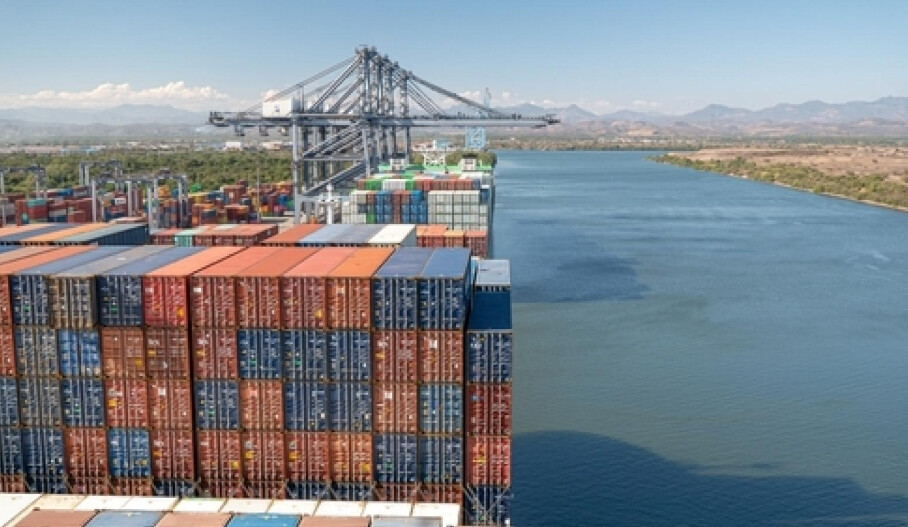
Against a backdrop of escalating trade tensions and tariff pressures from the United States, Mexico's principal Pacific port of Lázaro Cárdenas has demonstrated remarkable resilience, registering an 11% surge in container throughput during the first quarter of 2025. This growth underscores the port's burgeoning significance as a pivotal trade nexus in the trans-Pacific supply chain, according to a report published by the South China Morning Post (SCMP) on May 3rd.
The sprawling port, encompassing approximately 1,100 hectares – an area equivalent to over 900 football fields – witnesses a constant influx of colossal container vessels from Asia, unloading a diverse array of goods. These range from thousands of vehicles and critical automotive components to millions of manufactured items spanning various industries.
Joel Méndez, the port's operations manager, emphasized its strategic geographical advantage, stating, "This is a strategic logistics point." A key feature of Lázaro Cárdenas is its seamless integration with an extensive railway network that stretches across North America, offering an expedited route to major inland hubs. Containers can reach Chicago within a mere seven days, positioning the port as a compelling alternative to the congested ports of California, particularly Long Beach. Local authorities have noted its increasing competitiveness against its Californian counterpart.
Despite the headwinds of US trade policy, port operators report no discernible signs of operational deceleration. The 11% increase in container handling between January and March 2025 occurred even as the Trump administration intensified its scrutiny of trade relations with Mexico. Lázaro Cárdenas currently leads all Mexican ports in vehicle shipments, managing 35% of the nation's total. Ambitious expansion plans are underway to further augment its capacity and solidify its standing.
The port also serves as a crucial base for ArcelorMittal, a global steel behemoth, highlighting its importance in the broader industrial landscape.
While President Trump recently excluded Mexico from the imposition of 'reciprocal tariffs' and eased duties on automobile imports, a significant 25% tariff remains levied on Mexican steel and aluminum exports. This persistent tariff poses a considerable challenge to Mexico's robust automotive sector, which hosts major manufacturing facilities for global giants such as Ford, GM, Volkswagen, Audi, and BMW. These tariffs have the potential to disrupt intricate just-in-time supply chains and elevate operational costs for US companies with manufacturing bases in Mexico.
Despite prevailing concerns about a potential economic downturn, the Mexican economy has thus far weathered the storm, achieving a modest 0.2% growth in the first quarter of 2025 compared to the preceding quarter, thus averting a technical recession. However, the long-term impacts of the tariffs remain a subject of economic debate, with some analyses suggesting potential negative effects on GDP and employment in both the US and Mexico.
Adding a layer of complexity to the port's operations is its notoriety as a conduit for illicit drug trafficking. Heavily armed military personnel maintain a visible presence, conducting rigorous inspections within designated zones. In 2013, the port came under military control following its identification as a key entry point for chemical precursors used in the production of methamphetamine.
President Trump has explicitly cited Mexico's perceived insufficient efforts in curbing fentanyl smuggling and illegal immigration as a rationale behind the imposition of tariffs.
A high-ranking Mexican Navy officer revealed that "Cocaine and marijuana are the two substances most frequently seized at the port." A testament to the scale of the issue, the Navy executed its largest-ever maritime drug interdiction in October of the previous year, confiscating over 8.3 tons of narcotics in the Pacific waters southwest of Lázaro Cárdenas. This operation, valued at over US$100 million, underscores the persistent challenges authorities face in combating organized crime at the port.
The Jalisco New Generation Cartel (CJNG), one of Mexico's most powerful criminal organizations, is known to utilize Lázaro Cárdenas for drug trafficking, employing bribery, intimidation, and extortion to facilitate the movement of cocaine from South America and precursor chemicals from Asia, particularly China, for the production of fentanyl and methamphetamine.
Despite these security challenges, Lázaro Cárdenas is undergoing significant infrastructure expansion. Over US$500 million in investments are planned to enhance operational and storage capacity, including expansions of specialized container terminals operated by Hutchison Ports and APM Terminals. These investments aim to bolster the port's ability to handle increasing cargo volumes, primarily from Asia, and solidify its long-term position as a key Pacific hub. The SSA Marine México, the country's first automotive terminal within the port, will also see infrastructure upgrades.
May and June mark the peak shipping season as businesses accelerate import and export activities in anticipation of year-end holidays. Despite the ongoing trade friction initiated by the Trump administration, Joel Méndez remains optimistic about the port's trajectory, confidently asserting, "The port will continue to grow." This growth is underpinned by the port's strategic location, deep-water access capable of accommodating mega-vessels, and efficient rail and road connections that facilitate the swift movement of goods to North American markets. The planned infrastructure enhancements further support this positive outlook.
In conclusion, while facing external pressures from US trade policies and internal challenges related to drug trafficking, the Port of Lázaro Cárdenas continues to demonstrate robust growth and strategic importance in the global trade landscape. Its ongoing expansion and efficient logistics network position it as a key player in facilitating trade between Asia and North America, even amidst a complex geopolitical environment.
[Copyright (c) Global Economic Times. All Rights Reserved.]