![[등록] 2026-09-01 15:48:31](/support/_updata/banner2/tl181982910_6749.png)


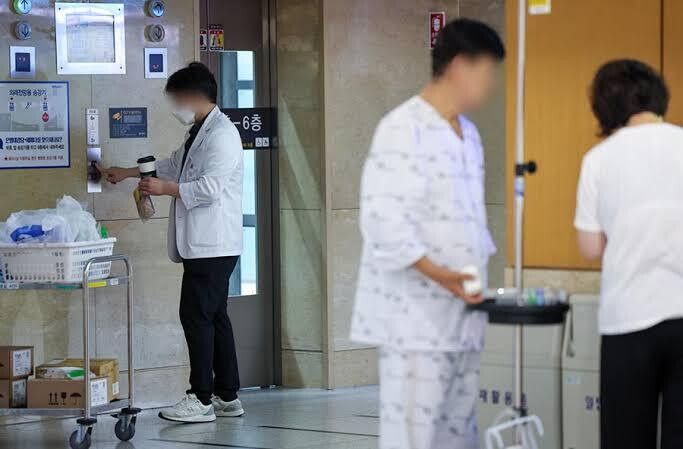
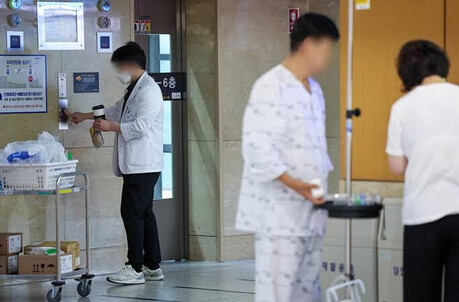
The scale of non-benefit (uninsured) medical expenses in South Korea continues to grow at a staggering pace, reigniting concerns over excessive medical shopping and financial burdens on households. According to data released by the Ministry of Health and Welfare and the National Health Insurance Service (NHIS) regarding the second half (September) reporting period, total uninsured medical costs incurred at hospital-level institutions alone reached 749.9 billion KRW ($561 million).
When annualized based on this monthly figure, the total size of uninsured medical spending at hospitals across the country is projected to approach approximately 9 trillion KRW. This upward trend highlights a deepening reliance on treatments and services outside the coverage of the National Health Insurance (NHI) system, driven heavily by repeat usage and non-essential medical procedures.
Rising Costs and Institutional Breakdown
The latest figures represent a notable 9.3 percent increase—amounting to 63.5 billion KRW—compared to the 686.4 billion KRW recorded during the first-half survey period (March) of the same year. Authorities noted that this growth was partly influenced by an increase in participating medical institutions, which rose from 4,000 to 4,098 facilities, alongside higher average charges per institution.
When broken down by medical institution tiers, standard hospitals accounted for the largest share of uninsured spending at 312.2 billion KRW (41.6 percent), followed by general hospitals at 158.7 billion KRW (21.2 percent), and tertiary/upper general hospitals at 108.4 billion KRW (14.5 percent). Notably, tertiary hospitals experienced the sharpest surge, reflecting escalating consumer preference for high-end institutional care despite higher out-of-pocket costs.
Across medical categories, Western medicine (medical doctors) constituted the overwhelming majority of non-benefit spending at 6577 billion KRW (or roughly 87.7 percent of the total), while dental fields and traditional Korean medicine accounted for 9.7 percent and 2.6 percent, respectively.
Key Drivers: Private Rooms, Manual Therapy, and Cancer Treatments
An analysis of the leading specific items reveals that consumer spending remains heavily concentrated in services prone to overuse. In the Western medicine sector, "single-occupancy inpatient hospital rooms" ranked as the single largest source of uninsured costs, totaling 56.1 billion KRW (7.5 percent of total hospital non-benefit expenses).
Manual therapy (dosu chiro) followed closely behind at 55.2 billion KRW. Despite its widespread popularity for musculoskeletal relief, manual therapy has frequently been criticized as a prime example of medically unnecessary, repetitive utilization. Other high-ranking items included soft-tissue repair materials and various specialized medical devices.
Furthermore, the data highlighted a steep escalation in cancer-related non-benefit items—particularly thymosin alpha-1, an immune-boosting injection widely administered to cancer patients. Spending on thymosin alpha-1 spiked significantly, jumping 67.1 percent compared to the previous year, with heavy concentrations observed in long-term care hospitals and traditional Korean medicine institutions. Experts and health authorities have repeatedly raised flags regarding the clinical efficacy and soaring costs of such treatments, noting that their actual medical benefits remain heavily disputed relative to their heavy financial toll on patients.
Government Policy Responses and Regulatory Tightening
In response to the growing fiscal pressure on patients and the broader healthcare ecosystem, the South Korean government is stepping up regulatory oversight. The Ministry of Health and Welfare has initiated strict measures to curb the overuse of non-essential services that lack rigorous medical necessity.
As part of these countermeasures, authorities began implementing standardized pricing and clear clinical treatment guidelines for manual therapy, incorporating it under managed non-benefit frameworks. Similar self-regulatory frameworks are being fostered for other high-frequency procedures like extracorporeal shock wave therapy to monitor session frequencies, treatment intervals, and precise clinical indications.
Yu Ju-heon, director of the ministry's national health insurance policy bureau, emphasized the government's firm stance, stating that continuous monitoring will be applied to excessive non-benefit treatments that weigh heavily on public healthcare spending. The ministry also plans to expand public access to comprehensive non-benefit information—including pricing variations, disease-specific treatment costs, and safety evaluations—via the official Uninsured Information Portal to safeguard consumer rights and promote transparent medical choices.
[Copyright (c) Global Economic Times. All Rights Reserved.]